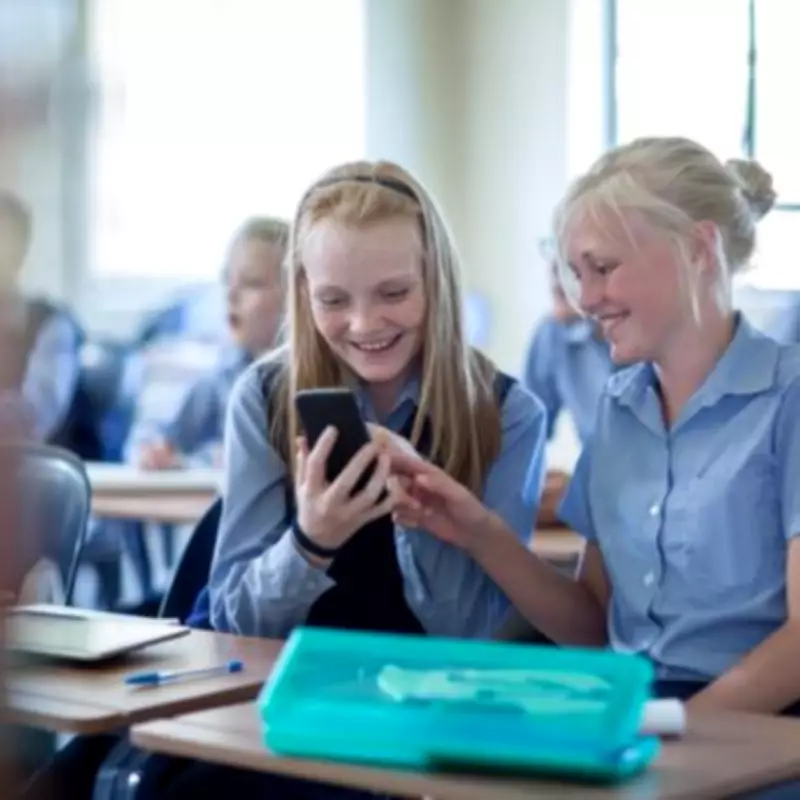
UK Parents to Trial New Powers to Limit Teenagers' Social Media Usage
Parents across the United Kingdom are set to gain new powers to restrict their teenagers' social media use as part of a groundbreaking six-week pilot scheme. The initiative, launching this week, involves approximately 300 families from all four nations of the UK—England, Scotland, Wales, and Northern Ireland. These participants will be assigned to one of four distinct intervention groups designed to curb excessive social media consumption among adolescents.
Four Key Intervention Strategies
The pilot programme will test a range of practical measures aimed at reducing social media exposure. In one group, parents will utilise advanced parental controls to implement targeted social media bans, allowing them to remove or entirely disable access to specific apps like Instagram, TikTok, and Snapchat. Another group will trial overnight curfews, where social media access is blocked between 9pm and 7am to promote better sleep hygiene.
A third cohort of teenagers will be limited to just one hour per day on popular social media platforms, while a final control group will maintain their current usage patterns for comparison. Assessments for these interventions are scheduled to commence next week, with families participating in interviews at both the start and conclusion of the pilots to evaluate impacts on family dynamics, academic performance, and overall wellbeing.

Government-Led Consultation and Research
This pilot forms a crucial component of the Labour government's three-month consultation into online safety, which seeks to establish healthier relationships between children and the digital world. Technology Secretary Liz Kendall emphasised the government's commitment, stating: "We are determined to give young people the childhood they deserve and to prepare them for the future. This is why we are listening to parents, children and experts with our consultation, as well as testing different options in the real world."
Concurrently, an independent scientific study funded by the Wellcome Trust will launch later this year in Bradford. Co-led by the Bradford Institute for Health Research and University of Cambridge psychologist Professor Amy Orben, this research will examine broader effects of reduced social media use, including changes in:
- Anxiety levels and sleep quality
- Time spent with friends and family
- Overall wellbeing and body image
- Social comparison tendencies
- School attendance rates and bullying incidents
Addressing Practical Challenges and Legal Frameworks
Participants will also be questioned about practical obstacles encountered during the trials, such as teenagers attempting to bypass parental controls. While the Online Safety Act already prohibits illegal and harmful content—with media regulator Ofcom empowered to impose substantial fines on non-compliant tech firms—campaigners and parents argue that existing legislation remains insufficient to curb the pervasive influence of social media platforms.
Professor Orben highlighted the importance of evidence-based approaches, noting: "We currently lack critical insights about how different types of social media policies might work in practice. Large randomised controlled trials, like the one in Bradford, will allow us to both better understand the impact of social media and select interventions that work for young people as well as their families."
The outcomes of these pilots are expected to provide policymakers with robust evidence to shape future regulations and support systems, ensuring that digital environments become safer and more conducive to adolescent development across the UK.