Government's One-Hour Screen Time Limit for Under-5s Sparks Parental Backlash
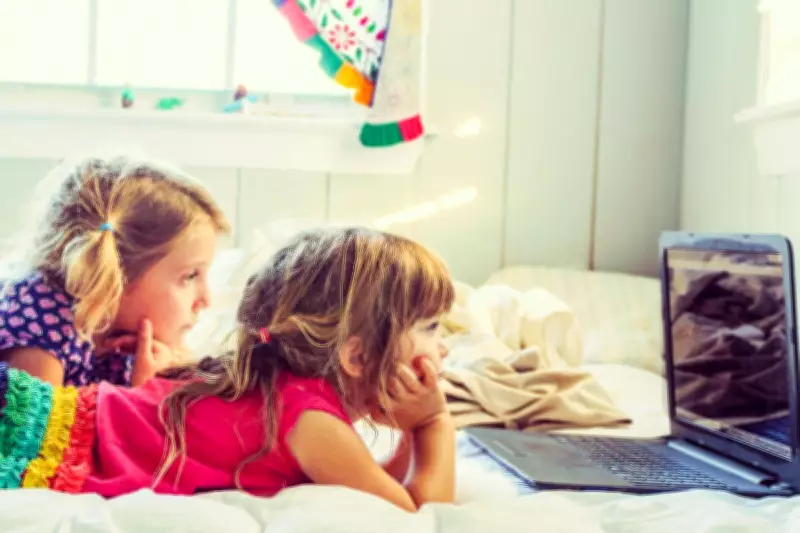
New government advice urging parents to restrict children under five to just one hour of screen time daily has been met with scepticism and frustration from families across the UK. The guidance, which also recommends that babies and toddlers under two should never be left alone with devices like iPads, aims to address growing concerns about technology's impact on child development.
The Reality of Screen Time Battles in Households
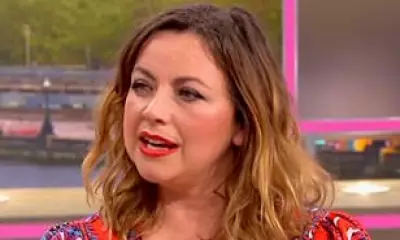
For many parents, the one-hour limit feels like an impossible ideal. Charlotte Cripps, a single mother, describes finding her seven-year-old daughter Liberty playing with an iPad in a dark room on a bright spring day. "It was the saddest sight," she recalls. When she attempted to take the device away, Liberty reacted with intense distress, screaming and refusing supper, highlighting the addictive-like behaviour that can develop.
"She grabbed onto it like her life depended on it," Cripps says. "Mummy, I hate you! You are the worst mum in the world!" After the confrontation, Cripps searched for a new hiding spot for the iPad, acknowledging the emotional toll on both parent and child.

Government Guidance and Parental Challenges
The new recommendations come as ministers consider Australia-style measures to limit or ban social media for under-16s. Education Secretary Bridget Phillipson emphasises a "precautionary approach," but with 98 per cent of children watching screens daily by age two, many parents predict household chaos.
Research indicates that excessive screen time can harm physical activity and sleep patterns, crucial for development. The government suggests "screen swaps," such as replacing devices with books or interactive games, and watching content with children to foster discussion. However, busy parents often struggle to implement these strategies.
"Yeah right, nice idea, good luck with that," Cripps remarks. "Has anyone in government actually met a toddler?"
Personal Struggles and Justifications
Liberty's attachment to her iPad began in infancy, with her nanny using Kung Fu Panda on repeat to the point where she briefly developed an American accent. During an illness, she watched the device for over five hours straight, leaving Cripps feeling guilty. Yet, iPads often serve as unpaid "childminding," providing moments of peace for parents.
Liberty defends her screen use by claiming to watch "a poet"—LouisAyy, a British digital creator—showcasing her reasoning skills. She adores content like funny animal clips and Netflix's Molang, making it hard to deny her access.
Broader Context and Future Outlook
The government report notes that children's brains "are like sponges—they'll copy your screen-use habits," urging parents to model better behaviour. However, Cripps points to real-world pressures: soaring childcare costs, limited infrastructure for working parents, and the impact of global events like the Iran war on the cost of living crisis.
While most parents aim to reduce screen time, they face angry outbursts and logistical hurdles. Cripps acknowledges the uphill battle ahead but vows to try, though she notes that changes won't happen overnight, especially during holidays like Easter. The debate underscores the gap between policy ideals and the messy realities of modern parenting.