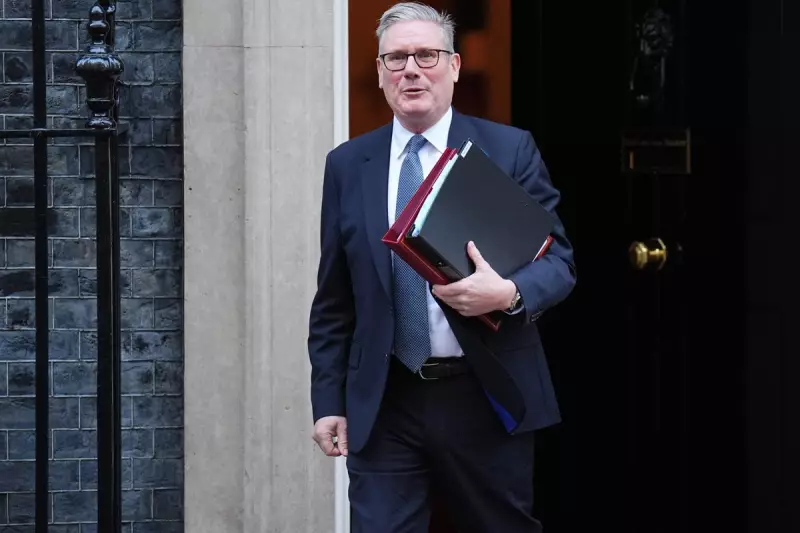
The House of Lords has taken a decisive step by voting in favour of a ban on social media for children under the age of 16, significantly ramping up the pressure on Prime Minister Sir Keir Starmer to implement similar restrictions across the United Kingdom. This landmark vote saw peers back an amendment to the Children's Wellbeing and Schools Bill, which was proposed by Conservative peer John Nash, with a substantial majority of 261 votes to 150.
Political Pressure Mounts on Starmer
The vote in the Lords occurred despite Sir Keir Starmer's recent attempt to pre-empt such action by launching a government consultation on potential social media restrictions for young people. This move has been criticised as coming too late, with Ofsted chief inspector Sir Martyn Oliver commenting that while he welcomes the government's action, it was 'a little bit late' in addressing the urgent concerns over children's online safety.
Potential Backbench Rebellion Looms
Sir Keir Starmer now faces a growing potential backbench rebellion within his own party, as over 60 Labour MPs have publicly called for Britain to follow Australia's lead in banning social media for under-16s. This internal pressure adds to the external momentum from the Lords, creating a challenging political landscape for the Prime Minister as he navigates this contentious issue.

Details of the Amendment and Broader Implications
The amendment, championed by Tory peer John Nash, aims to protect children's mental health and wellbeing by restricting their access to social media platforms. Proponents argue that such a ban could mitigate risks like cyberbullying, exposure to harmful content, and screen addiction, which are increasingly linked to poor mental health outcomes in young people.
However, critics warn that a blanket ban might be difficult to enforce and could infringe on children's freedoms and digital literacy development. The debate highlights broader tensions between safeguarding minors and promoting technological engagement in modern society.
Looking Ahead: What's Next for the Policy?
With the Lords' vote now placing the issue firmly on the political agenda, attention turns to how Sir Keir Starmer will respond. The consultation he launched is expected to gather evidence from experts, parents, and tech companies, but the strong parliamentary support for a ban suggests that legislative action may be imminent. Stakeholders across education, health, and technology sectors are closely watching developments, as this policy could set a precedent for digital regulation affecting millions of young Britons.