California Lawmakers Vote to Rename César Chavez Day as Farmworkers Day
In a significant move, the California Senate has passed a bill to rename César Chavez Day to Farmworkers Day. This decision comes in response to explosive sexual abuse allegations against the Latino labor icon, with the change aimed at reconciling his legacy ahead of the state holiday on March 31.
Allegations and Legislative Action
The bill, which received bipartisan support, was passed by California lawmakers on Thursday. Democratic Governor Gavin Newsom is anticipated to sign it swiftly into law. The allegations, which became public last week, accuse Chavez of sexually abusing girls and women during the 1960s while he was building the farmworker labor rights movement in California's agricultural heartland.
Among the accusers is Dolores Huerta, who co-led the movement that eventually evolved into the United Farm Workers. This revelation has prompted a reevaluation of Chavez's status, previously considered iconic since his death in 1993.

Statements from Lawmakers
Republican Senator Suzette Valladares emphasized that the renaming is not about one individual but about honoring generations of sacrifice and resilience. "This is not about one person. This is not about one narrative," she stated. "It's about honoring generations of sacrifice, of resilience and hope."
Senate President Pro Tempore Monique Limon highlighted the importance of recognizing farmworkers, especially in light of recent federal raids. She recounted a tragic incident in her district where a worker died after being chased by a U.S. Immigration and Customs Enforcement agent last summer. "His death is a reminder of how much farmworkers risk every day to put food on our table," Limon said before the vote.
Historical Context and Curriculum Changes
California was the first state to designate Chavez's birthday, March 31, as a holiday nearly 30 years ago. In 2000, the Legislature made it an official paid day off for state employees and mandated that students learn about his legacy and role in the labor movement. The new legislation does not address this curriculum requirement, but state leaders are in discussions with school officials to adjust lesson plans accordingly.
Broader Impact and Public Response
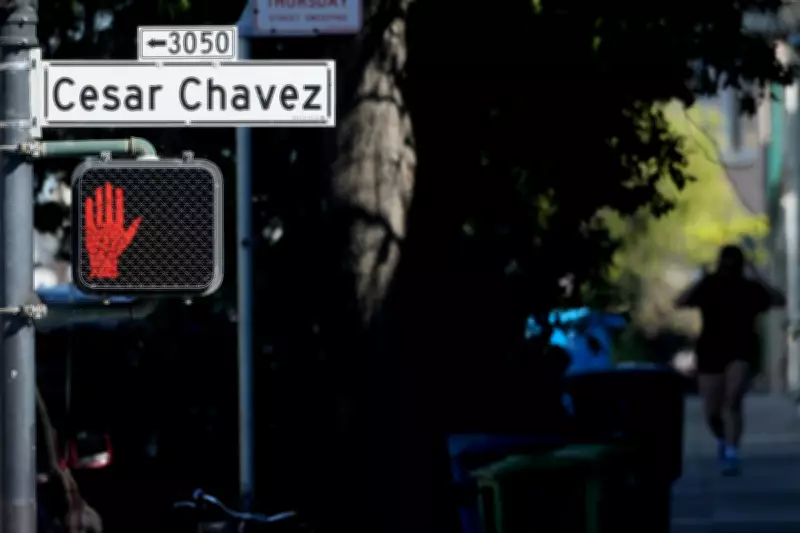
The renaming effort is part of a broader wave of actions to alter memorials honoring Chavez. Since the allegations surfaced, California State University, Fresno, has covered up Chavez's statue on campus, and cities like San Francisco, Los Angeles, and Sacramento have taken steps to remove his name from public landmarks.
Some advocates have suggested replacing Chavez's name with Dolores Huerta's, and several states have already announced they will not observe the day. As his birthday approaches, cities across the country have modified or canceled annual celebrations. For instance, in Tucson, the annual César Chavez and Dolores Huerta March and Rally were scaled back and rebranded as the Comunidad y Labor Unity Fair, focusing broadly on labor rights without mentioning Chavez.
Event Rebranding Across the Nation
In Grand Junction, Colorado, organizers of the annual event in Mesa County had prepared materials bearing Chavez's name but have since rebranded it as the Sí, Se Puede Celebration. Similarly, in El Paso, Texas, March 31 will now be celebrated as Community and Labor Heritage Day.
Assemblymember Cecilia Aguiar-Curry summed up the sentiment before the vote, stating, "We cannot ignore wrongdoing and we should not continue to celebrate a single person when the movement itself is so much bigger." This legislative action marks a pivotal moment in how California and beyond honor the complex legacy of labor rights movements.