Israel Unleashes Largest Strikes on Lebanon, Hitting 100 Targets in 10 Minutes
Israel's Largest Lebanon Strikes Hit 100 Targets in 10 Minutes

Israel Launches Unprecedented Strikes on Lebanon Following Ceasefire Announcement

Israel has unleashed its largest wave of strikes on Lebanon since the conflict began, targeting 100 locations across the country in a devastating ten-minute bombardment that has killed dozens and crushed hopes for an immediate ceasefire. The massive military operation came just hours after Pakistan announced a two-week truce between the United States and Iran, with Israeli Prime Minister Benjamin Netanyahu insisting the agreement did not extend to Lebanon.

"An Absolute Massacre" in Beirut and Beyond

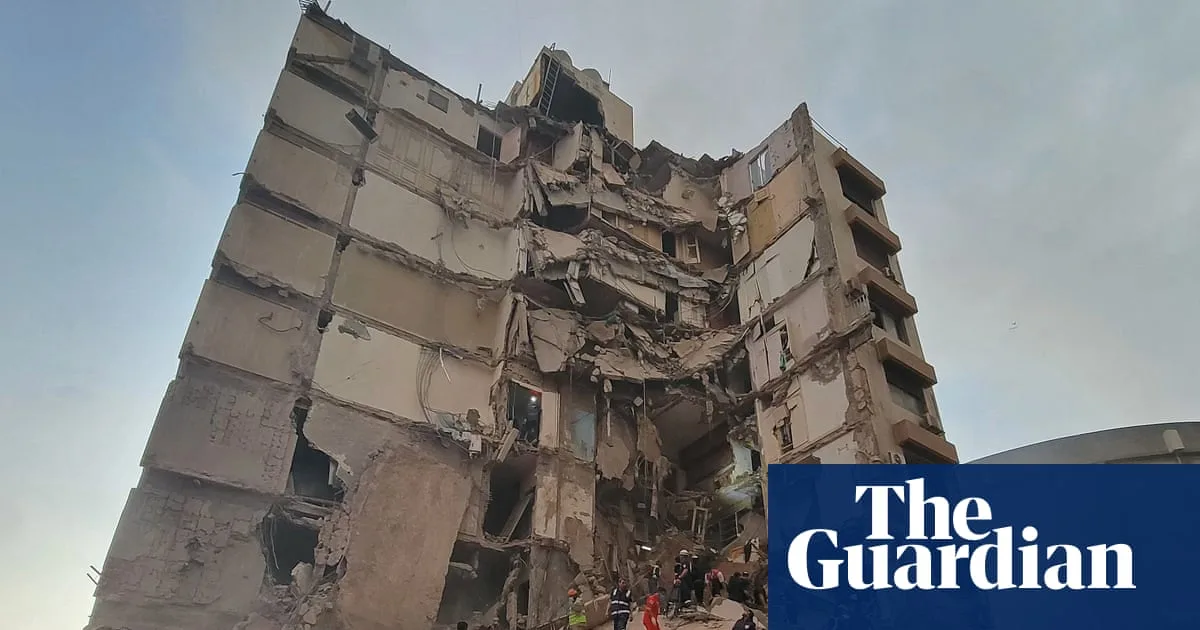
Witnesses described scenes of chaos and destruction as explosions rained down on Lebanon's capital, Beirut, eviscerating buildings and sending towering clouds of smoke across the skyline. The strikes also pounded the Bekaa Valley to the east and the already devastated southern regions of the country.

According to the Lebanese health ministry, the attacks have resulted in dozens killed and hundreds injured, with warnings that the death toll will likely rise as rescue teams continue to pull bodies from the rubble. Civilians covered in blood were reportedly shuttled to hospitals on the backs of motorcycles as emergency services struggled to cope with the overwhelming number of casualties.

Wide Pickt banner — collaborative shopping lists app for Telegram, phone mockup with grocery list

Ghassan Abu Sittah, a renowned British-Palestinian surgeon who has treated the wounded in both Gaza and Lebanon, spoke from a hospital in Beirut and called Israel's unprecedented bombardment "an absolute massacre."

"Emergency departments have been flooded across the whole of Beirut. We had the first wave and now we're getting the second wave of people being dug out of the rubble. It's horrendous," Abu Sittah told The Independent. "A lot of people are being brought in dead, a lot of children with severe injuries. It's an absolute massacre and it happened almost simultaneously."

Military Claims and Civilian Impact

Israeli Defense Minister Israel Katz stated that Israel had inflicted the largest concentrated blow to Hezbollah since a September 2024 operation that caused thousands of the group's pagers to explode. Israeli military spokesperson LTC Nadav Shoshani confirmed they had struck 100 targets, including Hezbollah and Iranian military infrastructure, across the Bekaa Valley, southern Lebanon, and various parts of Beirut.

Shoshani claimed the operation resulted from "meticulous planning over weeks" and that among the areas hit were Hezbollah headquarters, its firepower capabilities, and its aerial units. However, many of the strikes reportedly hit neighbourhoods not affiliated with the Lebanese militant group Hezbollah, striking densely packed civilian areas instead.

Local journalist Rana Najjar described the terrifying scenes as airstrikes rocked the capital: "People started screaming and running out of shops, rushing into the streets. In less than 30 seconds, the streets were transformed into an earthquake zone. Ambulances were everywhere."

"The wounded were running on their own to safe areas or to hospitals. I stopped with my daughter and my brother's children, my mind frozen, and I didn't know what to do. Bombing was happening all over Beirut, every area was being targeted," Najjar added, comparing the experience to the devastating port explosion of August 4, 2020.

Ceasefire Confusion and Israeli Determination

The massive bombardment occurred against a backdrop of diplomatic confusion regarding ceasefire terms. Just hours before the strikes, Pakistani Prime Minister Shehbaz Sharif, who brokered the US-Iran ceasefire talks, indicated the truce would extend to the conflict between Israel and Lebanon. This position was later echoed in Hezbollah's own statement, which claimed the group was "on the threshold of a major historic victory."

However, Israeli Prime Minister Benjamin Netanyahu quickly contradicted this interpretation, stating clearly that the ceasefire that suspended the six-week US-Israeli war against Iran did not apply to Lebanon. The Israeli military subsequently confirmed that operations against Hezbollah would continue unabated.

Pickt after-article banner — collaborative shopping lists app with family illustration

Speaking to The Independent, Israeli military spokesperson LTC Nadav Shoshani confirmed the military was following these political directives: "In Lebanon we are continuing our operations against Hezbollah. And that's the current situation right now, in the current guidance we've received [from the political echelon]. We have different plans for different scenarios. As of now, as I said, the mission remains to push back this organisation and keep degrading it."

A source briefed on the Israeli position later revealed there was no intention for Lebanon to be part of any peace deal at this stage. "We reached most of our targets in Iran. We caused a lot of damage. We set Iran back several years. But now is the time to focus on Hezbollah," the source explained, adding that Israelis are "disappointed" with the ceasefires and that "the entire country just wants the job done."

The source further noted the practical challenges facing Israel's military strategy: "Israel cannot run two huge battlegrounds simultaneously... It would be very hard for Netanyahu to sell a ceasefire with Lebanon at the moment."

With more than a million Lebanese civilians already displaced in the conflict so far, and hospitals overwhelmed by the latest wave of casualties, the prospects for immediate de-escalation appear increasingly remote as Israel demonstrates its determination to continue military operations against Hezbollah despite regional ceasefire announcements.