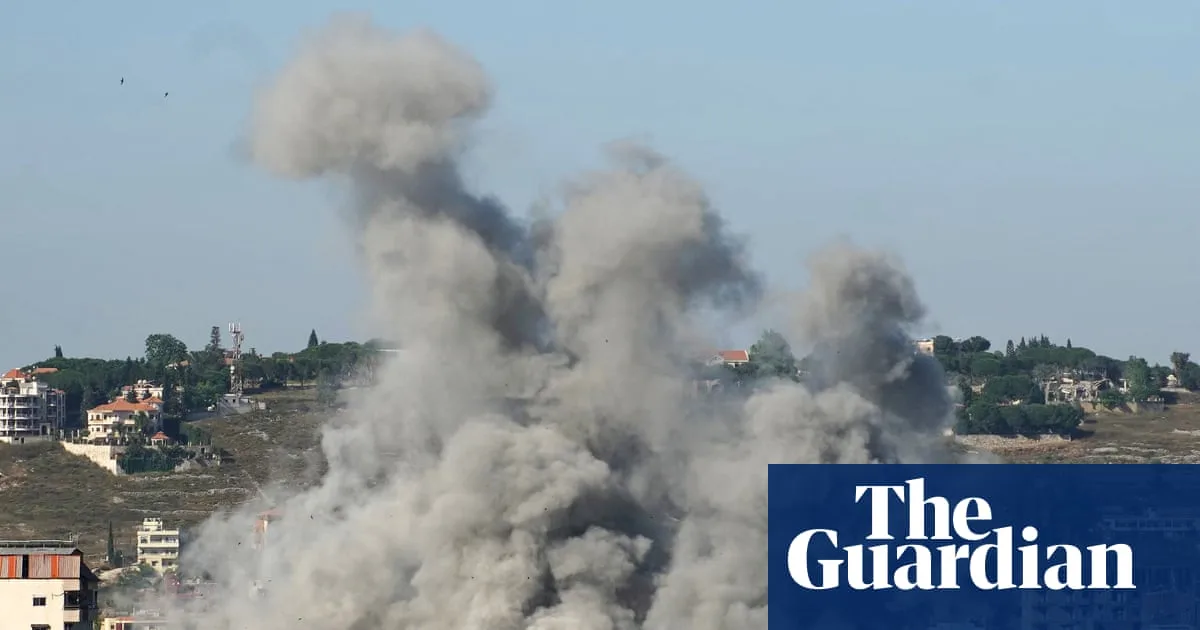
Iran has announced it is closing the Strait of Hormuz following waves of Israeli strikes in Lebanon, a move that threatens to derail the fragile interim peace deal with the US signed just days ago. The Islamic Revolutionary Guard Corps warned ships not to approach the strategic waterway, which previously carried a fifth of global oil and liquid gas supplies, citing Israeli actions in Lebanon and alleged US violations of commitments to establish a ceasefire.
It remains unclear whether the threat has been carried out or if it will jeopardise talks scheduled for Sunday in Switzerland, which were intended to transform the interim agreement into a more detailed deal covering Iran's nuclear programme. US President Donald Trump declared that “NO TOLLS” would be charged on ships passing through the strait during or after the 60-day interim ceasefire, but raised the possibility of imposing tolls if negotiations fail.
US Central Command denied that the strait had been closed, with spokesperson Navy Capt Tim Hawkins stating: “Iran does not control the Strait of Hormuz. Traffic continues to flow, and US forces are monitoring the situation to ensure this remains the case.” Vice-President JD Vance arrived in Switzerland on Sunday to participate in the talks, expressing hope for progress on the nuclear issue and the Lebanon ceasefire.
Israeli strikes on southern Lebanon on Saturday killed at least 16 people, according to local authorities, despite reports of a renewed ceasefire. Lebanon’s civil defence agency reported “16 dead and 12 wounded” in the Nabatieh district. The Israeli military said it was striking Hezbollah targets in response to overnight projectile launches from the Lebanese militant group.
The continuing hostilities between Hezbollah and Israel have emerged as the main challenge to the new deal aimed at ending the war in the Gulf. The interim agreement calls for a cessation of hostilities on all fronts, including Lebanon, but has been fiercely criticised by Israeli officials who argue it prevents countering Hezbollah threats. Hezbollah parliamentarian Hassan Fadlallah stated that his group has the right to respond to Israeli attacks.