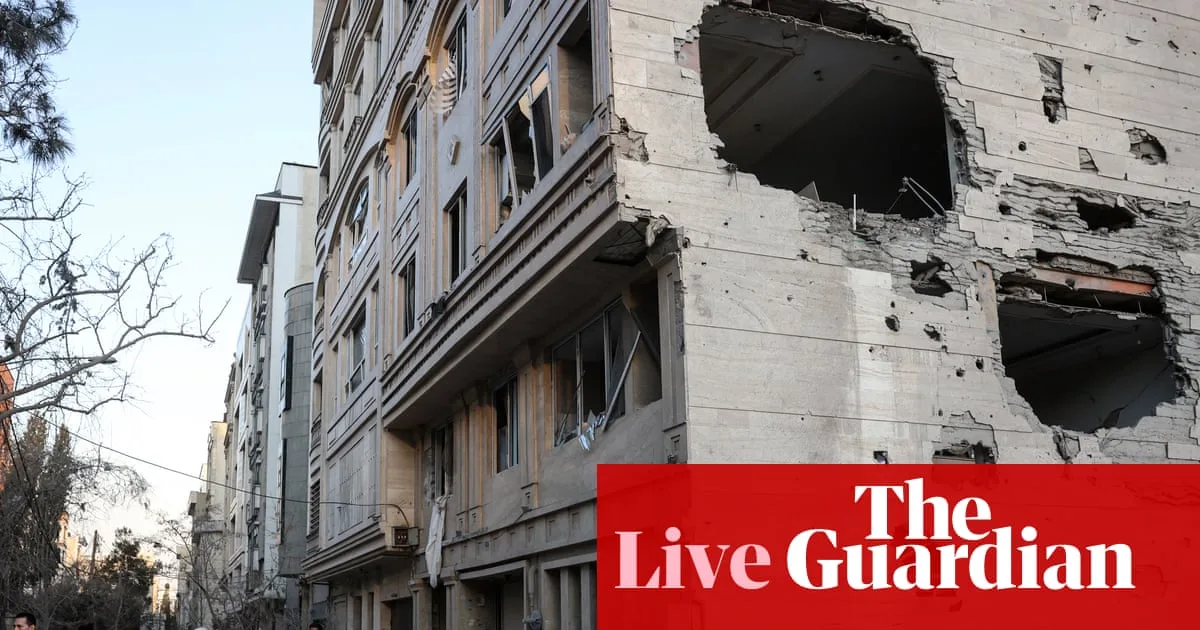
Iran Reports 555 Deaths in US-Israeli Strikes as Regional Conflict Escalates
Iran: 555 Killed in US-Israeli Strikes, Regional War Widens

Iran Reports 555 Deaths in US-Israeli Strikes as Regional Conflict Escalates

The Iranian Red Crescent Society announced on Monday that the ongoing U.S.-Israeli airstrike campaign targeting Iran has resulted in at least 555 fatalities within the Islamic Republic. This significant death toll underscores the intensifying military confrontation that has plunged the Middle East into a widespread conflict.

Widespread Attacks Across Iranian Cities

According to the humanitarian organization, the offensive has impacted 131 cities across Iran, demonstrating the extensive reach of the military operations. The strikes, which began over the weekend, represent a dramatic escalation in hostilities between Iran and the allied forces of the United States and Israel.

Regional Conflict Expands with Multiple Fronts

The conflict has rapidly expanded beyond Iran's borders, drawing in various regional actors and proxy groups. In a retaliatory move, Iran and Iranian-backed militias launched missile attacks targeting Israel and Arab states. One apparent strike hit the U.S. Embassy compound in Kuwait City, though no immediate casualties or damage reports were confirmed. Kuwait's defense ministry also reported that several American warplanes crashed within its territory, with pilots hospitalized in stable condition.

Hezbollah Enters the Fray with Cross-Border Strikes

Lebanon's Hezbollah militant group fired missiles into Israel early Monday, citing retaliation for the killing of Iranian Supreme Leader Ali Khamenei and repeated Israeli aggressions. Israel responded with airstrikes on Lebanon that killed at least 31 people and wounded 149 others, according to Lebanon's Health Ministry. This marked Hezbollah's first claimed attack in over a year, significantly widening the conflict's geographical scope.

U.S. and Israeli Military Operations Intensify

The United States military deployed B-2 stealth bombers to strike Iran's ballistic missile facilities with 2,000-pound bombs, while President Donald Trump claimed on social media that nine Iranian warships had been sunk and the Iranian navy's headquarters largely destroyed. Israel simultaneously bombed Iranian missile sites and targeted naval assets, asserting the destruction of multiple warships.

Civilian Casualties Mount Across the Region

Beyond Iran's reported 555 deaths, civilian casualties have emerged in multiple nations. In the United Arab Emirates, three people were killed by Iranian strikes or falling debris, with one fatality each reported in Kuwait and Bahrain. Israel confirmed 11 deaths from Iranian missile attacks, including nine at a synagogue in Beit Shemesh. The World Health Organization issued an urgent call for the protection of civilians and healthcare facilities amid the escalating violence.

Diplomatic Reactions and International Involvement

While top Iranian security official Ali Larijani vowed on social media that Iran "will not negotiate with the United States," other nations have responded cautiously. Britain, France, and Germany expressed readiness to work with the U.S. to help stop Iran's attacks. Cyprus reported a drone strike causing limited damage to a British air base, following British Prime Minister Keir Starmer's commitment to support the U.S. in the conflict.

Proxy Groups and Militia Activity Increases

Iraqi Shiite militia Saraya Awliya al-Dam claimed responsibility for drone attacks targeting U.S. troops at Baghdad airport and a U.S. air base in Irbil, further expanding the retaliation for Khamenei's killing. These developments highlight how proxy groups are actively joining the conflict, creating additional fronts in an already complex regional war.

Historical Context and Leadership Vacuum

This represents the second major U.S.-Israeli joint operation against Iran in eight months, following a 12-day war in June that significantly weakened Iran's air defenses, military leadership, and nuclear program. The killing of Khamenei, who ruled Iran for more than three decades, has created a leadership vacuum that experts warn increases the risk of prolonged regional instability.

As the conflict continues to escalate with no immediate diplomatic resolution in sight, the human cost mounts daily, with hundreds dead across multiple nations and the potential for further regional destabilization growing with each new military engagement.