Gaza's Eid al-Fitr Transformed into a Day of Mourning and Remembrance
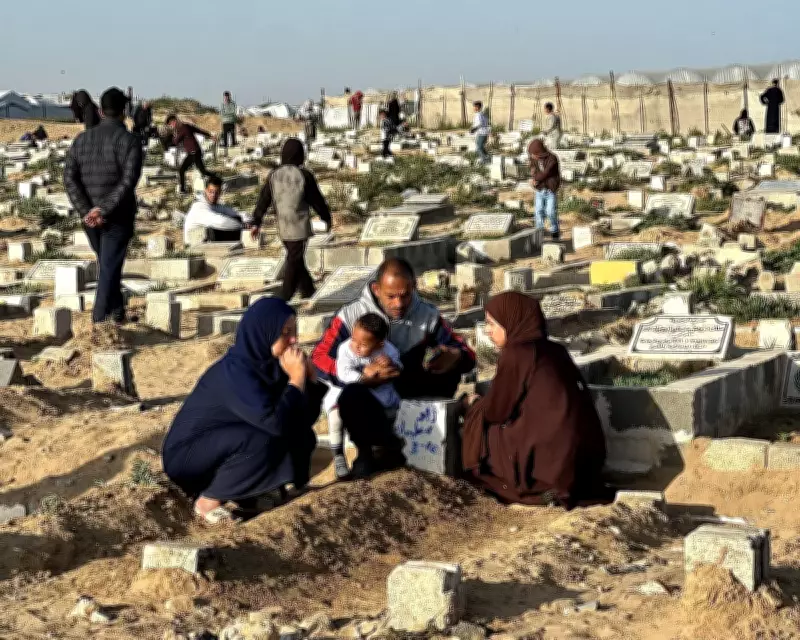
In Khan Younis, Gaza, the traditional joy of Eid al-Fitr has been profoundly overshadowed by sorrow this year. Palestinians marked the end of Ramadan not with festive celebrations, but by visiting the graves of relatives killed in recent Israeli attacks. The day, which typically involves prayers, family gatherings, and the exchange of gifts, became a poignant procession through loss and grief.
A Hollowed-Out Celebration Amidst Devastation
Eid al-Fitr is traditionally a time of release and renewal, following a month of fasting and prayer. In Gaza, it has always carried a unique sense of community and happiness. The day begins with morning prayers, where men and boys gather in clean attire, neighbours exchange congratulations, and families reunite for breakfast before embarking on visits to relatives and friends. Children eagerly await eidiya, monetary gifts from elders, while coffee and sweets are shared in homes with open doors.
This year, however, the rituals persisted, but the underlying feeling had vanished. Sorrow permeated every interaction, with greetings of Eid Mubarak feeling hollow, spoken across a vast field of absence. After breakfast with his mother and brothers, Ahmed Kamal Junina and his siblings set out at 9:30 am, not returning until 11:30 pm, moving from house to house on foot due to unreliable transport.

Visits to Bereaved Families Highlight Widespread Loss
The streets were filled with people observing Eid, but the customary lightness was missing, transforming the day into a sombre procession through loss. Their first stop was at his aunt Om Majid's home, who had lost her daughter, son-in-law, and grandson. Nearby, his sister Ghada, whose home in eastern Gaza was destroyed, now lives in a rented garage, striving to maintain dignity in reduced circumstances.
Further visits revealed deeper tragedies. At his aunt Om Mahmoud's partially standing house in western Gaza, grief lingered in the silence, as she had lost her husband, son Ahmed, his wife Noor, and three grandchildren in a single airstrike. Similarly, his sister Nabila mourned the loss of two sons and her husband, Hani, who was the director of the ambulance and emergency department at Gaza's health ministry, killed at a medical clinic.
Children's Innocence Lost in the Shadow of War
By the time they reached his aunt Malaka's house in western Gaza City, the pattern was unmistakable. She had lost her son and grandson, but the faces of her surviving grandchildren were most striking. Experiencing their first Eid without their father, these children are learning the harsh realities of loss at a young age. Yet, their mother dressed them for the occasion, attempting to infuse joy into the day and protect them from feeling isolated.
In Gaza today, even celebration has become an act of protection. Subsequent visits continued in a painful rhythm, with each home revealing missing husbands, sons, orphaned children, and widows navigating unchosen lives. At his sister Shireen's rented house, her widowed daughter Walaa resided with her two children, while at his aunt Nadia's small apartment, her widowed daughter Israa sought refuge.
A Gathering of Grief in the Family Home
In the afternoon, they returned home briefly for rest and lunch, where visitors arrived to see his mother in the Daraj neighbourhood of Gaza City. Each guest brought another chapter of tragedy, as his mother had lost her brother, grandchildren, sons-in-law, and daughter. The gatherings felt less like courtesy and more like a collective expression of Palestinian mourning.
Later visits included his sister Wafaa, who lost two sons, Mohammad and Mustafa, and the children of his sister Amal, who now live with their father after their mother's death. The final scene at home encapsulated Gaza's pain: in their sitting room, grief was concentrated into one frame. To his right sat the sons of his sister Hanan, orphaned by the war; in front, his older brother Sobhi, who lost his daughter, her husband, and their family, with only an 11-month-old baby surviving. Others included his cousin Raed, who lost his son and brother, and relative Fakhri, mourning five of his wife's brothers, all gathered around his mother.

Eid as a Ritual of Witness and Solidarity
That room symbolized Gaza—everyone carrying grief, everyone missing someone. The outward customs of Eid, such as visits, greetings, and coffee, were observed, but beneath them lay exhaustion and pain. Eid is meant to renew bonds between people, and in Gaza this year, it still did, but through witness rather than joy. Families visited not to celebrate, but to acknowledge the dead and sit with the bereaved, showing that grief, too, has its rituals.
This first Eid after the ceasefire did not signify a return to normal life but felt suspended between faith and devastation, habit and heartbreak. While the rituals of prayer, breakfast, embraces, visits, and eidiya survived, the joy of Eid had been hollowed out, with sorrow waiting in every corner. Thus, the day became a long walk through love, kinship, and ruin—beginning with blessings and ending as testimony to resilience amidst ruin.