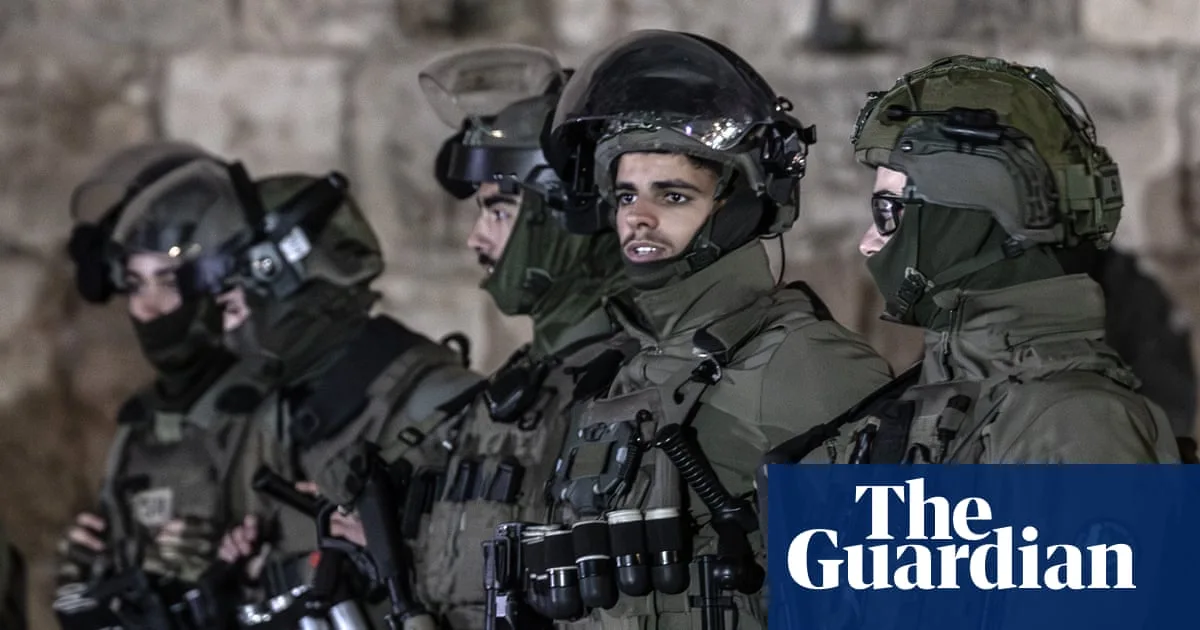
For the first time since 1967, the al-Aqsa mosque in Jerusalem was closed at the end of Ramadan on Friday, forcing hundreds of worshippers to hold Eid prayers outside the Old City. Israeli police barricaded entrances to the site, citing security concerns related to the US-Israeli war on Iran. The closure, which began on 28 February, has been framed as a security measure, but Palestinians view it as part of a wider Israeli strategy to tighten restrictions on the holy site.
Hazen Bulbul, a 48-year-old Jerusalem resident, described it as 'the saddest day for Muslim worshippers in Jerusalem'. He expressed fear that the closure sets a dangerous precedent, noting that Israeli interference has escalated since 7 October 2023. The al-Aqsa mosque complex, known to Muslims as al-Haram al-Sharif and to Jews as the Temple Mount, has seen increased arrests of worshippers and incursions by Israeli settlers in recent months.
The Old City was largely deserted on Friday, with most Palestinian businesses barred from opening. At about 6am, Israeli forces blocked worshippers from entering through Herod's Gate, using stun grenades to disperse the crowd. At least seven Palestinians were detained. Sheikh Ekrima Sabri, the preacher of al-Aqsa, issued a religious ruling urging Muslims to pray as close to the mosque as possible.
The closure drew condemnation from the Arab League, the Organisation of Islamic Cooperation, and the African Union Commission, who described it as a 'blatant violation of international law' and a threat to freedom of worship. The silence of the day was broken by a huge explosion when an Iranian missile was intercepted by the IDF, with fragments falling near the mosque compound. No casualties were reported.