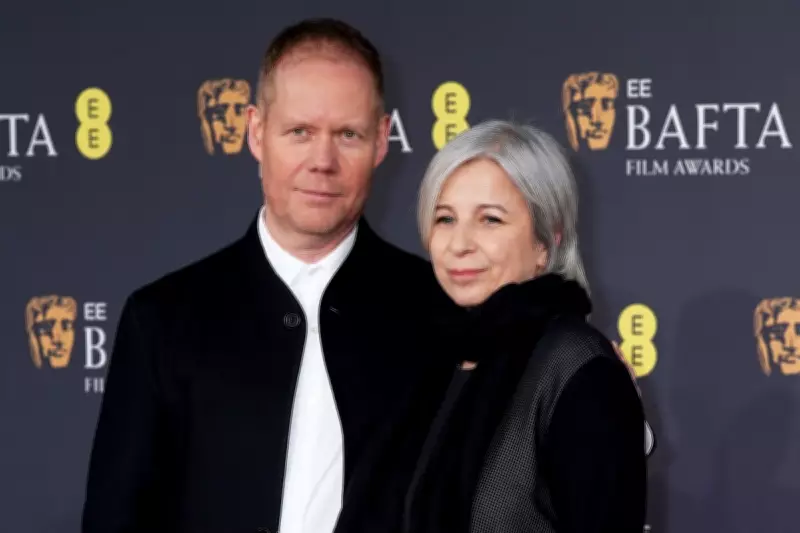
In an era where hope often feels elusive, the Southbank Centre is hosting a profound orchestral performance titled "Possible Futures," led by Oscar-nominated composer Max Richter and his creative partner Yulia Mahr. This event, part of the centre's 75th anniversary celebrations, dares to envision a brighter future amidst today's challenging political and social climate.
A Message of Hope in Hard Times
Hope, as Yulia Mahr explains, is a central and necessary theme in their work. "Hope is the central theme of everything we do," she says, reflecting on their long-standing commitment to activism and art. The couple, known for projects like the eight-hour lullaby album SLEEP, have shifted their focus to fostering small impulses of hope and connection through their creative practices.
Inspired by Human Rights and Personal Journeys
The first half of "Possible Futures" features a rendition of Richter and Mahr's 2017 orchestral album VOICES, which draws inspiration from the 1948 Universal Declaration of Human Rights. Created in response to the "post-truth politics" of the 2010s, VOICES juxtaposes hopeful words with melancholic music, highlighting the chasm between ideals and reality. Mahr notes that the piece has sparked strong reactions, with some audience members even storming out, underscoring its emotional depth and relevance.

Mahr's personal history adds a poignant layer to the performance. Fleeing communist Hungary as a child, she experienced moments of hope through acts of kindness, such as her mother finding housing via a Time Out ad and teachers helping her learn English. These experiences reinforce her belief in the kindness of individual human beings beyond systemic structures.
Collaborative Efforts and Support for Artists
Richter and Mahr, who met at the Edinburgh Festival in 1988, have built a collaborative legacy that extends beyond music. Their Studio Richter Mahr, a residency program in Oxfordshire, provides emerging artists with studio space, lodging, and uninterrupted time to refine their craft. Inspired by creative communities worldwide, the studio aims to offer tangible support, with Mahr emphasizing the importance of opening doors for young artists, rather than pulling up the drawbridge behind them.
One such artist, Mercury Prize-nominated composer Cassie Kinoshi, will perform in the second half of "Possible Futures." This segment poses critical questions about the future: "Is the future already written? Can we change it?" Mahr suggests that hope is a vital starting point for addressing these uncertainties.
A Call to Action Through Art
"Possible Futures" is more than just a concert; it is a call to imagine and work towards a better world. By blending orchestral music with themes of human rights and personal resilience, Richter and Mahr invite audiences to reflect on their role in shaping the future. The performance will take place at the Royal Festival Hall on Friday, 27 March, offering a moment of inspiration in hard times.