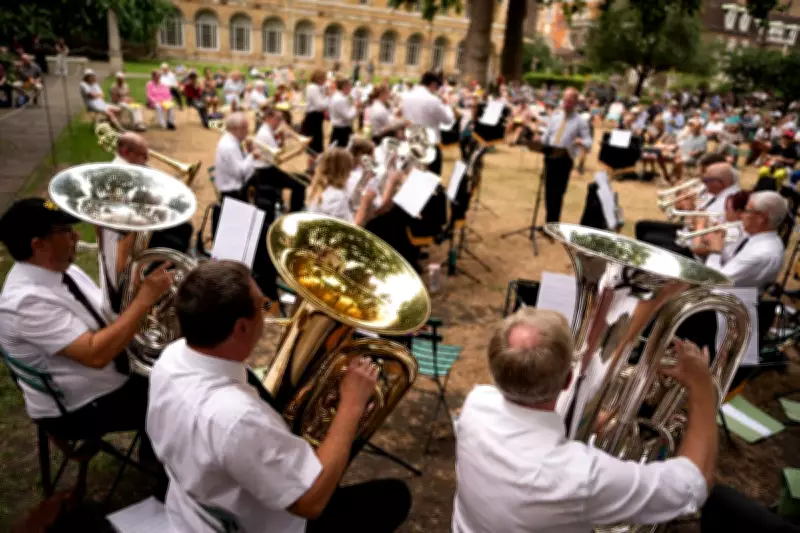
Opera Funding Dwarfs Brass Band Support by Sevenfold, Sparking Cultural Snobbery Accusations
Government and public body funding for opera has dramatically outpaced support for brass bands by a factor of seven in recent years, igniting a fierce debate about cultural elitism and regional bias in arts distribution. The substantial disparity challenges entrenched stereotypes that brass bands represent merely a working-class pursuit confined to northern regions like Yorkshire.
Stark Financial Imbalance Revealed in Official Figures
Department for Digital, Culture, Media and Sport (DCMS) statistics demonstrate that Arts Council grants allocated over £226 million to opera between 2022 and 2025. During that identical three-year period, brass bands received a comparatively meager £31.5 million in funding, highlighting a profound financial inequality between the two musical traditions.
Sarah Baumann, programmes and fundraising director at Brass Bands England, addressed widespread public misconceptions about brass band culture. She told the Press Association: "Public perception often presents brass bands as exclusively working-class pastimes or Yorkshire-specific activities, which fundamentally misrepresents reality. Brass banding occurs nationwide across all communities and skill levels."

Ms Baumann advocated for enhanced investment, stating: "We urgently need increased financial resources flowing into the brass band sector and directly to our member organizations."
Political Figures Condemn Funding Disparity as Cultural Snobbery
Conservative MP Esther McVey, who uncovered the funding statistics, characterized the imbalance as demonstrating clear "snobbishness" toward brass bands. The Tatton constituency representative asserted: "Taxpayer money should be distributed more equitably to brass bands rather than being lavishly concentrated on subsidizing London-based opera productions."
Ms McVey elaborated: "The sevenfold funding advantage for opera over brass bands during the past three years exposes a pronounced southern and metropolitan bias within these funding streams. This cultural prejudice against brass bands remains entirely unjustifiable and unacceptable. Brass bands constitute a vital component of our national heritage and cultural identity, unquestionably deserving improved financial treatment."
Historical Advantages and Structural Barriers
Ms Baumann highlighted opera's longstanding institutional advantages, noting: "Opera houses have historically enjoyed consistent funding support." She explained the systemic challenges: "This situation reflects established patterns rather than deliberate class discrimination. To achieve genuine balance, resources would need reallocation from opera—a move facing significant institutional resistance due to entrenched interests."
The brass band advocate presented a compelling interconnection argument: "Brass bands serve as crucial talent pipelines for opera houses. Investing in brass band development ultimately benefits opera companies by cultivating more skilled musicians who may eventually perform in opera productions. Enhanced brass band funding would not harm opera institutions long-term but rather strengthen the broader musical ecosystem."
Operational Challenges for Volunteer-Run Organizations
While acknowledging Arts Council support for brass band activities, Ms Baumann emphasized practical obstacles facing predominantly volunteer-run brass bands. She observed: "Securing grants demands enormous effort from volunteer organizations, whereas opera companies employ dedicated paid staff for funding applications."
The cultural significance of brass bands gained mainstream recognition through the 1996 film Brassed Off, which portrayed a struggling South Yorkshire mining community band, highlighting their social and cultural importance beyond mere entertainment.
Arts Council Response and Broader Cultural Context
An Arts Council England spokesperson responded: "We support diverse creative and cultural activities catering to nationwide interests. We recognize brass banding's profound community importance across many English regions and welcome applications from brass bands and supporting organizations."

The spokesperson added: "Our ongoing investment in Brass Bands England facilitates youth engagement and supports sector development nationwide," while acknowledging current "challenging operating conditions" and flexibility efforts with funded organizations.
The funding debate intersects with broader cultural conversations about opera's contemporary relevance. Oscar-nominated actor Timothée Chalamet previously remarked that "no one cares" about opera or ballet, while a 2024 Public First survey of 4,012 UK adults revealed 43% attendance among higher socio-economic groups versus 23% among lower socio-economic backgrounds.
The Royal Opera House and English National Opera were approached for comment regarding the funding disparity but had not responded at publication time.