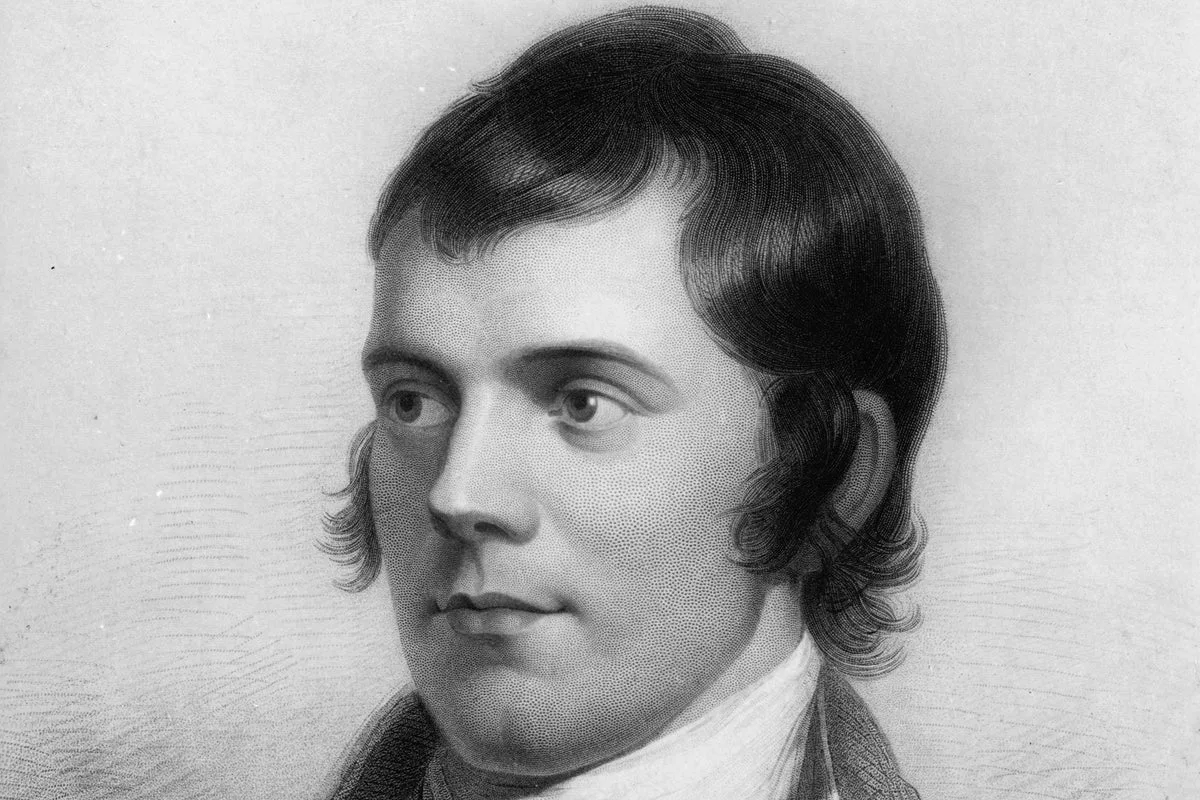
Burns Night: How Robert Burns Shaped Scotland's Cultural Legacy
Burns Night Legacy: Poet's Impact on Scotland

Burns Night: The Enduring Legacy of Scotland's National Bard

Every 25th of January, Scots across the globe gather to celebrate the life and work of Robert Burns, Scotland's revered national poet. This annual tradition, known as Burns Night, features traditional Scottish fare including haggis—which Burns famously dubbed the "Chieftain o' the Puddin-race"—alongside spirited recitations of his poetry. While many associate Burns with beloved works like Auld Lang Syne and Address to a Haggis, his influence extends far beyond these popular verses, particularly through his lesser-known 1790 composition, Lament of Mary, Queen of Scots, on the Approach of Spring.

The Poet and the Queen: An Unlikely Connection

Robert Burns, who died in 1796, remains internationally synonymous with Scottish identity through his enduring popularity and literary contributions. His work has shaped perceptions of Scottish culture for centuries, but perhaps nowhere is this more evident than in his treatment of historical figures like Mary, Queen of Scots. Executed in 1587 for allegedly plotting against her cousin Elizabeth I, Mary has long been a contested figure in Scottish history—portrayed variously as a Catholic martyr, a monstrous ruler, or a political pawn.

Burns' sympathetic portrayal of Mary in his lament, written two centuries after her death, played a significant role in cementing her legacy as a tragic romantic figure. The poem first appeared in a 1790 letter to his friend, the heiress Francis Dunlop, with Burns later describing it to Lady Winifred Maxwell Constable as "a tribute to the memory of our greatly injured, lovely Scottish Queen." This representation stood in stark contrast to contemporary views, such as those of philosopher David Hume, who labeled Mary "a whore" who had "murdered her husband."

Wide Pickt banner — collaborative shopping lists app for Telegram, phone mockup with grocery list

Influences and Jacobite Sympathies

Several factors influenced Burns' compassionate depiction of Mary. His Jacobite sympathies—supporting the restoration of the exiled Stuart dynasty to which Mary belonged—certainly colored his perspective. Additionally, Burns was likely influenced by his friend William Tytler's popular defense of Mary, which critically re-examined the evidence used to condemn her for her second husband Lord Darnley's murder. The burgeoning Romantic literary tradition, with its emphasis on natural imagery and emotional expression, also informed his approach.

Written in Mary's voice as she awaits execution, the lament contrasts her youthful happiness as "the Queen o' bonie France"—she became Queen of France through her first marriage to Francis II in 1558—with her imprisonment in "foreign bands" in England. She decries "mony a traitor" in Scotland and wishes "kinder stars" for her son James, who would later become king of both Scotland and England in 1603.

Forgotten Influences and Lasting Impact

Interestingly, Burns may have drawn inspiration from earlier works, particularly The Lamentation of Mary Stuart, Queen of Scots by poet Anne Hunter, published around 1780. Both poems share striking similarities: they are written in Mary's first-person voice, describe Elizabeth I as a "false woman," employ nature-based imagery, and conclude with Mary's defiant belief in her posthumous legacy. Unfortunately, Hunter's influence on Burns has been largely forgotten, as her poem was often published anonymously.

Burns' lament helped establish Mary as a tragic figure ripe for romantic literary representation, inspiring later poets like William Wordsworth, who wrote three poems about the queen in the early 1800s. Burns also contributed to creating an enduring trope contrasting "womanly, incompetent" Mary with "cold and shrewd" Elizabeth—a dichotomy perpetuated in works from Walter Scott's The Abbott (1820) to Philippa Gregory's The Other Queen (2008). Scottish playwright Liz Lochhead notably challenged this portrayal in her 1987 work Mary Queen of Scots Got Her Head Chopped Off, criticizing the reduction of these historical figures to "mean girls locked in a catfight to the death."

Pickt after-article banner — collaborative shopping lists app with family illustration

Enduring Legacies and Modern Relevance

Both Burns and Mary share remarkable parallels: both were poets, both had their corpses exhumed in attempts to redefine their cultural reputations, and both have become profitable attractions for Scotland's tourism and heritage industries. As Burns Night approaches and Mary's last letter goes on display in Perth, there's renewed interest in examining how these two figures have shaped Scottish identity.

This Burns Night, beyond enjoying traditional celebrations, consider exploring Burns' Lament of Mary, Queen of Scots, on the Approach of Spring to appreciate how poetry continues to influence historical understanding and cultural heritage. The enduring popularity of Burns Night celebrations—and the ongoing fascination with Mary's story—demonstrates how art and history remain intertwined in shaping national identity.