A missile strike on Riyadh's main international airport killed 12 people and injured more than 300, prompting the Defence Secretary to condemn it as a “dangerous escalation”.
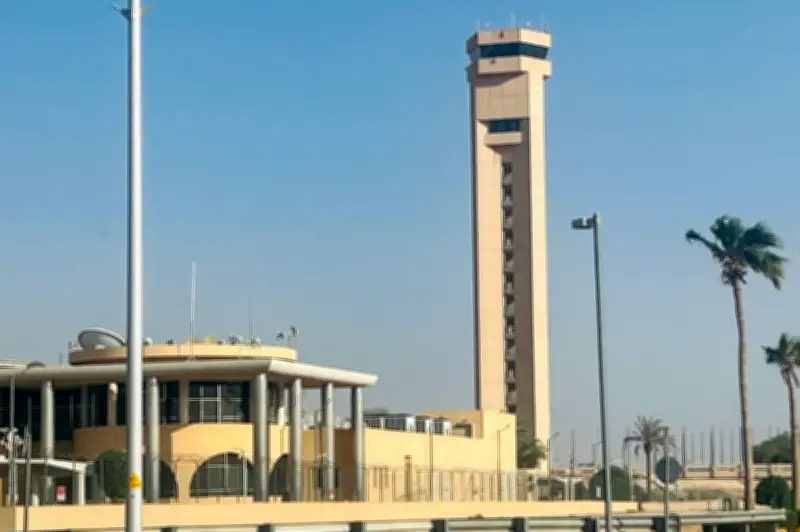
The attack on King Khalid International Airport in the Saudi capital on Saturday caused extensive damage and overwhelmed local hospitals with casualties, according to Saudi authorities.
Victims and injuries
Among those killed were four Saudi nationals, two Bangladeshi citizens and one person each from the United States, Jordan, Palestine, Syria, Sudan and Egypt. A further 309 people were injured, some critically.
Saudi Arabia has blamed Yemen's Iran-backed Houthi rebels for the attack, which is the deadliest to hit the kingdom in more than a decade and comes amid growing instability across the Middle East.
UK response
Speaking on Sunday, Defence Secretary Wes Streeting described the strike as part of an increasingly concerning pattern of attacks on civilian infrastructure.
“What we've seen overnight is a dangerous escalation and I'm afraid an increasing pattern of behaviour from the Houthis that's targeting civilian sites in Saudi Arabia,” he told Sky News.
“This is completely contemptible action and it's one of the reasons why the UK is providing support to Saudi Arabia in the form of air defences, but also air-to-air refuelling.”
Attack details and regional tensions
The missile hit an area of the airport complex serving domestic flights. Footage shared online showed smoke billowing above the terminal as passengers fled the scene. “Everyone was running,” one eyewitness told the BBC.
A Saudi-led military coalition later vowed to respond to the strike, which has been described as a “war crime”. The attack marks the deadliest single strike against a Gulf Arab state since the outbreak of the wider regional conflict involving Iran, Israel and the United States earlier this year.
Tensions between Saudi Arabia and the Houthis have intensified in recent weeks, with rebel forces stepping up attacks across the kingdom. The airport had already been targeted several times this week.
On Sunday the Houthis issued a warning to airlines and travellers against using Saudi airspace and airports. While the group did not explicitly claim responsibility for Saturday's strike in its latest statement, it had previously said it was behind separate attacks on the same airport earlier in the week.
International implications
The assault has raised fresh questions over whether the United States could become more directly involved in the conflict. Donald Trump said the attack was “terrible” and indicated Washington was considering whether to join military action against the rebels.
Britain has already committed support to Saudi Arabia through air-to-air refuelling and defensive military assistance, although ministers insist there are currently no plans for UK participation in offensive operations.
Mr Streeting stressed that diplomacy remained the only long-term solution. “We want to see an end to this conflict. It cannot be right that the Houthis are attacking civilian targets in this way,” he said. “But we've always been clear that there isn't a military solution to this conflict. We need to see a diplomatic solution.”
The attack comes as broader efforts to reduce tensions across the region remain stalled, with fears growing that hostilities involving Iran could escalate further in the coming weeks.