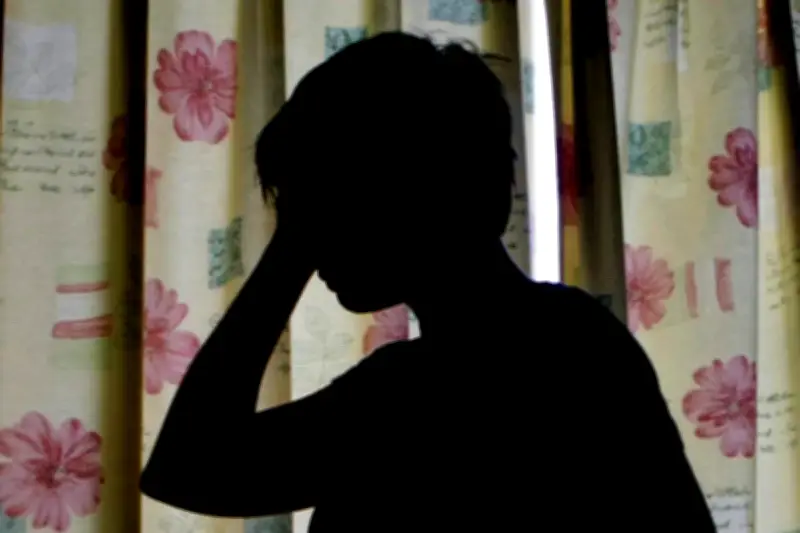
Two children who could barely speak or walk after suffering severe neglect were rescued from their squalid London home only after a supermarket delivery driver raised the alarm, despite repeated warnings to authorities about the family.
The siblings, aged six and seven, had never been to school and their flat in Hounslow was strewn with rubbish and discarded nappies, a damning report has found. They could reportedly say only three words – “iPad”, “Fruitella” and “Maryland” (cookies) – were not toilet-trained and could walk only on the balls of their feet as their toes were spread out. It was suspected they had been confined to high chairs or tied to furniture for long periods.
Rescue and Prior Warnings
In February 2025, police removed the children from their mother’s home after being alerted by a supermarket delivery driver who said he frequently delivered to the address and was concerned about their welfare. There had been five previous referrals to Hounslow social services about the family since 2023. “None of these” resulted in meaningful interventions, the Safeguarding Practice Review published by the NSPCC this month found. The referrals came from a range of sources, including the police, neighbours, the children's aunt, a dentist and the children's father in 2024.
“When police eventually intervened in February 2025, the children were found in severe neglect,” the report states. “Maternal Aunt described the home as filthy, dark, with taped windows, no sunlight, and drawings on the walls. The children had clothes that were for 3–4-year-olds, one shoe between them, and marks on their skin attributed to eczema. They did not recognise stairs and on a normal shopping experience they did not know how to use escalators or lifts.
“Their development was severely delayed: they could not speak, use cutlery, or show emotion. They did not interact with each other and seemed to have only three words – iPad, Fruitella and Maryland (cookies).”
Missed Opportunities and Systemic Failures
The report, commissioned by Hounslow Safeguarding Children Partnership, identified a series of missed opportunities and weaknesses in how agencies shared information regarding the family. It found that professionals had become overly reliant on the “articulate” mother's reassuring accounts that she was home schooling her children, while failing to establish what life was actually like in the home. The siblings were rarely seen by professionals, with their isolation exacerbated by the Covid-19 pandemic. One anonymous referral to social services in 2023 warned that the children never left the house and stressed the importance of seeing them. But there was confusion over the family's address, with authorities believing they still lived in Lambeth where the children had been born and registered with a GP.
Concerns raised by the children's father in 2024, including about their living conditions, lack of education and their mother's deteriorating mental health, did not result in formal intervention, the report found. Despite wanting to support his children, the father had been largely absent from their lives since the parents separated in 2020. The report said allegations of domestic abuse made by the mother had influenced professionals' decisions, but her claims were not adequately checked against other information or the father's account. Investigators also highlighted concerns about the mother's deteriorating physical and mental health. She had a severe, longstanding infected leg ulcer, for which she had sought medical help but failed to attend follow-up appointments.
Progress and Recommendations
Since being removed from the home, the siblings have made “significant progress” while living with their maternal aunt and can now use short sentences, are toilet trained and have become more confident and physically active, the report states. Both are receiving support from speech and language therapists, physiotherapists and occupational therapists. Reviewers said the case exposed wider problems in identifying vulnerable children whose parents choose to home educate, particularly when they are not registered with a local GP or regularly seen by professionals. The number of children being educated outside school in Hounslow more than tripled, from 180 in 2021 to 600 in 2025, adding to pressures on services.
“Significantly, Hounslow staff report that the demographic of the families who home-educate their children has shifted and there is a much bigger proportion of vulnerable families who choose this route”, the case reviewer found. In response, the council has introduced more frequent reviews of home-educated children, increased home visits and made changes to the way safeguarding referrals are assessed. The review made eight recommendations, including improvements to information sharing between agencies, greater scrutiny of safeguarding decisions and better training to help professionals recognise signs of neglect. It also calls for stronger monitoring of children educated at home and better communication between health services when families move between boroughs.
A Department for Education spokesperson said: “This is an utterly horrific case, and we are determined to protect every child from all forms of abuse and neglect. Our Children’s Wellbeing and Schools Act will transform how agencies safeguard and protect children, more closely work together and share information. Our statutory guidance also makes clear that neglect is a core concern for local authorities. On top of this, our children’s social care reforms, backed by £2.4 billion investment, prioritises early help for families at the earliest point alongside more multi-agency and decisive child protection, as well as creating a Child Protection Authority to provide national leadership on child protection.”
Hounslow council was contacted for comment.