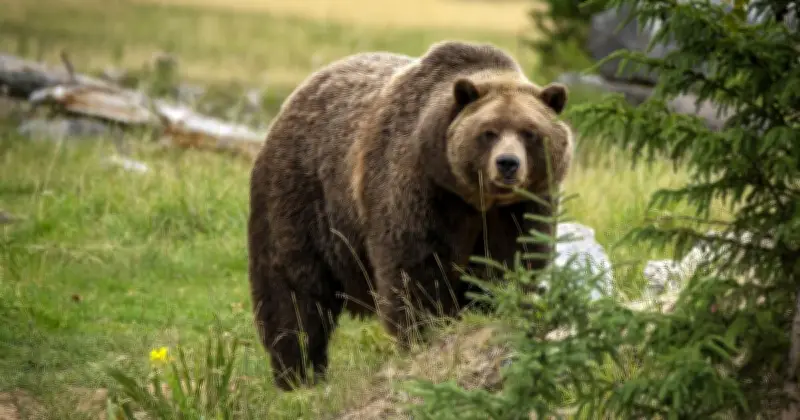
All four grizzly bears linked by DNA to the deaths of a mother and daughter in a remote part of Canada have been put down, officials have confirmed.
Jenny Balcarras, 48, and her daughter Selah Reed, 20, were found dead near a trail outside the community of Bella Coola in British Columbia after relatives reported them missing.
DNA testing confirms the bears involved
The British Columbia Conservation Officer Service said the animals were killed to protect the public, with investigators suggesting the attack may have involved predatory behaviour. DNA tests conclusively linked a female grizzly and her three cubs to the deaths.
Inspector Jeff Tyre said: "Our investigation also found that this attack likely involved predatory behaviour, which I can tell you is very rare."
He added: "That is to say, we don't know how it started, but we know how it ended."
Community response and tributes
The mother and daughter were reported missing by relatives on Sunday, November 1, before their remains were discovered the following week. Authorities had previously suspected that multiple bears may have been involved, but DNA testing established which animals were responsible.
Inspector Tyre explained that bears involved in fatal attacks cannot be rehabilitated or relocated because they pose an extreme risk to public safety.
The tragedy has devastated the local community, with authorities introducing a voluntary curfew and police escorting children to school following the deaths.
An online fundraiser established for the victims described the incident as an "unimaginable tragedy", adding that the "sudden and heart-breaking loss has left their family and loved ones devastated".
Separate attack ruled out
Officials confirmed that the four bears were not involved in a separate grizzly attack on a group of children and teachers in the same area last year, which left two people critically injured.
Tlhmtimut Samuel Schooner, chief councillor of the Nuxalk Nation community in Bella Coola, said the latest attack had been "deeply re-triggering" for residents. He said support services would remain available to the community for as long as they were needed.