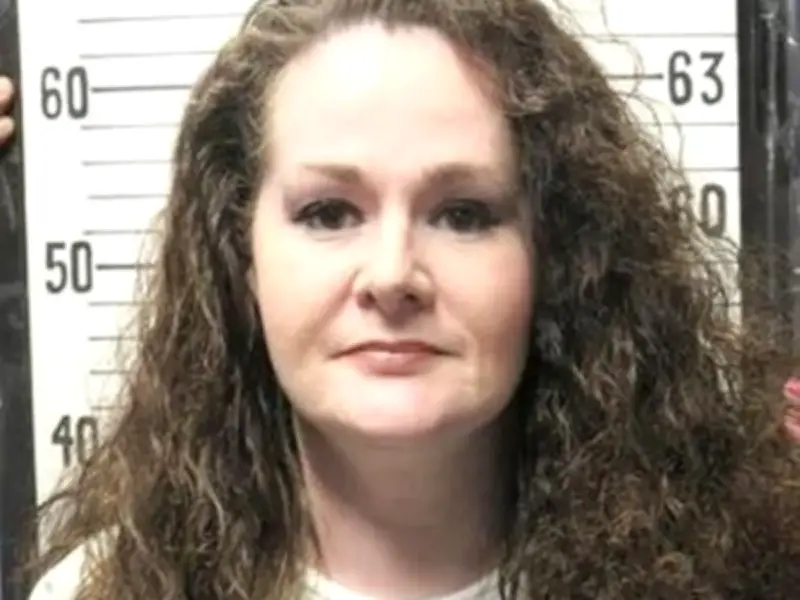
Death row killer Christa Pike was placed on a ventilator and unconscious in a hospital in the hours after her failed execution. Hospital staff were working to save the convicted murderer's life and clear the two doses of the drug that the state uses to execute prisoners, Pike's lawyers said.
Failed execution in Tennessee
Hours before the failure in Tennessee's execution chamber on Wednesday, the US Supreme Court cleared the way for Pike, 50, to be the first woman to die by lethal injection in the southern US state of Tennessee in 200 years, the Mirror reports.
Pike was scheduled for execution at 10am CDT (4pm BST) at the Riverbend Maximum Security Institution in Nashville, where witnesses including journalists were present for the administration of the injections.
The failure has left both sides on the death penalty debate demanding answers, and the state's governor has ordered an independent review.
IV line problems and legal response
In the court filing, Pike's attorneys said they believed problems with the IV lines caused the lethal drug pentobarbital to flow into her body instead of her bloodstream.
"Apparently at no point did any member of the execution team realize that the IV lines were not correctly placed or that the veins had blown and that the pentobarbital was, in whole or in part, entering Ms. Pike's body," they wrote.
Instead of "remedying this failure", they prepared and administered a backup set of pentobarbital syringe, her lawyers said. State officials have not offered any explanation about what went wrong during the execution attempt.
Review and postponement
Tennessee Gov Bill Lee demanded a review of the state's execution procedures and indefinitely postponed Pike's execution and another one slated for this year. Other Republican political leaders in Tennessee said the state should review whether to stop single-drug lethal injections and consider other options to carry out death sentences.
The execution team worked for an hour to administer the lethal drugs, according to Pike's defence lawyer Randy Spivey, who counted at least seven needles in her left arm. Neither the initial nor the backup dose of pentobarbital worked. Pike was still snoring when the execution chamber's microphone was cut off more than an hour into the attempt.
Background of the case
Pike was sentenced to death in 1996 for the murder a year earlier of 19-year-old Colleen Slemmer. In an interview with NBC News on Thursday, Slemmer's mother, May Martinez, described the failed execution as a "mess".