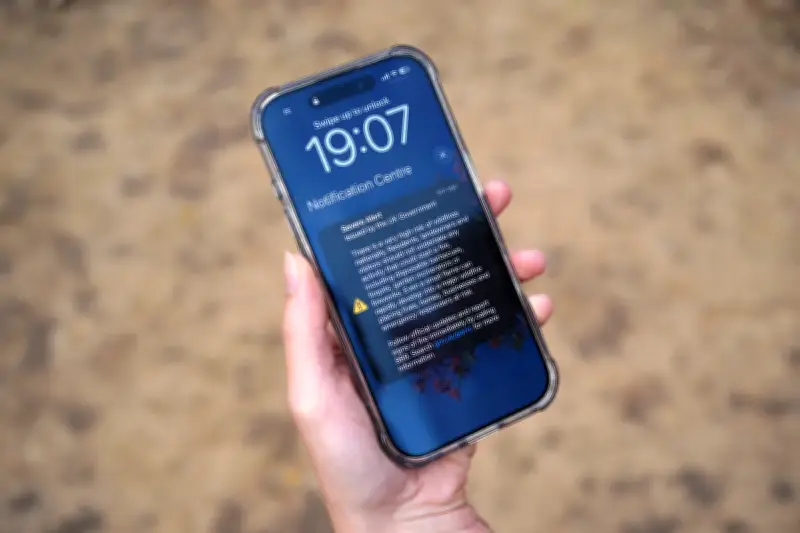
A domestic abuse charity has criticised the emergency government phone alert which was sent to millions across the UK on Friday evening.
The alert, which warned people of the "very high risk of wildfires nationally", caused phones to light up and beep loudly at around 7pm on August 14.
However, survivors of domestic abuse have said that a lack of advance warning meant those hiding secret phones, used to seek support and try to escape abusers, had little chance of protection.
Campaigners Call for More Forewarning
Campaigners, including Women's Aid, the national charity aiming to end domestic abuse, have called for more forewarning of alerts wherever possible.
Veronica Oakeshott, the charity's head of external affairs, told the BBC: "Survivors of domestic abuse frequently turn to second phones to help them access lifesaving support or flee from abuse."
She added that it is "vital" that such devices stay hidden in domestic abuse situations.
Maggie Evans, director of frontline services at abuse prevention charity Hourglass, called for ministers to consult organisations supporting the most vulnerable before future alerts.
She said that there had been "no meaningful advance warning to frontline domestic abuse charities" and "no targeted safety guidance for victims".
Government Response
A government spokesperson said the alert was sent following a request from fire and rescue services, amid the hot and dry summer which has brought a record number of wildfires.
They said: "On Friday alone, crews were tackling 43 wildfires across the country and had declared 11 major incidents, stretching resources to the very limit and requiring military support... we urge everyone to follow fire safety advice to help protect people and property."
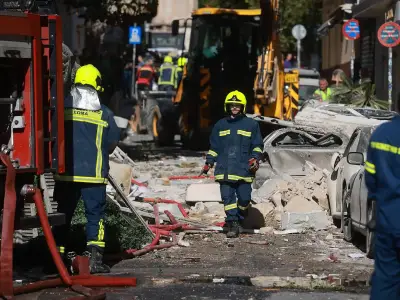
One such wildfire destroyed 19 homes in Stourbridge, West Midlands, on Thursday, and another that tore through Hornchurch Country Park on Friday.
The spokesperson added that the government was working closely with domestic abuse charities for tests of the system.
Reaction and Advice
The notification, which cautioned against the use of disposable barbecues, naked flames or fireworks, was the biggest use yet of the emergency alert system and Prime Minister Andy Burnham urged the public to take it "seriously".
Some have questioned whether the alert was necessary, with one of the system's architects Frazer Rhodes saying the alert "really has divided opinion" and that the government should set out the criteria for when it will and will not be used.
Julian Jessop, fellow at the Institute of Economic Affairs, told the BBC that the "very high" threshold for sending an alert "hasn't been reached - I don't think there's an immediate risk to life everywhere".
The government has urged people to keep emergency alerts switched on as they may contain "life-saving information".
However, those who want to opt out of the alerts, including people who wish to conceal secret phones, can find advice for iPhones, Androids and other devices on the government website.