At least 15 people have died and 27 others remain missing after a ferry capsized on Lake Kariba, a vast African lake home to large numbers of crocodiles and hippos. The disaster occurred on Tuesday, August 11, with 77 people confirmed to have been rescued after the vessel overturned.
Survivors rescued from island
Survivors managed to reach a small island on the lake, where they waited for boats to arrive and take them back to safety. Rescue teams are searching the lake for the 27 people still missing.
The ferry was reportedly designed to carry a maximum of 90 people, but authorities said ticket records showed at least 114 adult passengers were on board when the vessel sank. Five crew members were also aboard.
Possible higher death toll
Officials warned that the true number of people on the ferry could be higher because an unknown number of children below ticketing age may have been travelling without being included in the passenger records. The number of children on board remains unclear, meaning the final death and missing-person toll could change as emergency teams establish who was travelling on the vessel.
Search and rescue operation
Zimbabwe's national disaster management agency confirmed the scale of the rescue operation as emergency teams worked to locate those still missing. An underwater search and rescue team has been deployed, while boats have been sent across the lake to assist survivors and search for anyone who may still be in the water.
Footage released by broadcaster ZBC appeared to show speedboats approaching the capsized vessel, with a helicopter seen hovering above the scene.
Dangerous waters and investigation
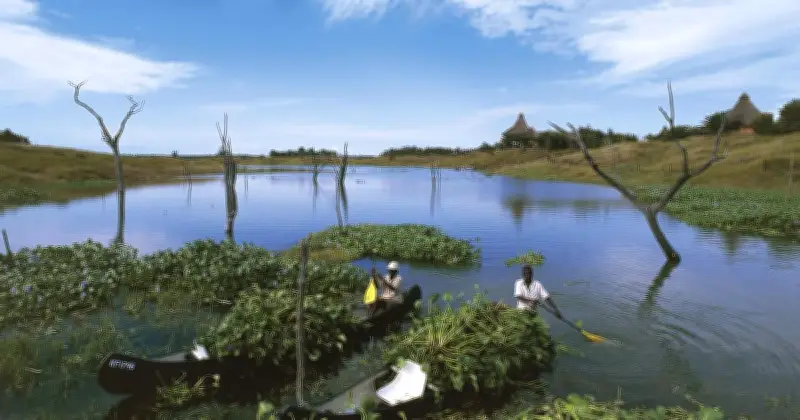
Lake Kariba is the world's largest man-made lake by volume and stretches across the border between Zimbabwe and neighbouring Zambia. The enormous reservoir is home to significant populations of Nile crocodiles and hippopotamuses, adding another danger to the already perilous search for survivors in the water.
Local MP Mutsa Murombedzi said the ferry plays an important role for rural communities living around the lake, with residents relying on the vessel to travel to the town of Kariba. The journey can typically take around five hours, making the boat an important link for people living in remote areas.
Murombedzi also shared footage that appeared to show people on the shore watching the ageing ferry before it departed. According to the footage, some people watching the vessel had expressed concerns that it could struggle with the powerful waves on the lake.
The circumstances surrounding the capsizing remain under investigation. Authorities are continuing to search for the missing passengers while working to establish the full number of people who were aboard the ferry.