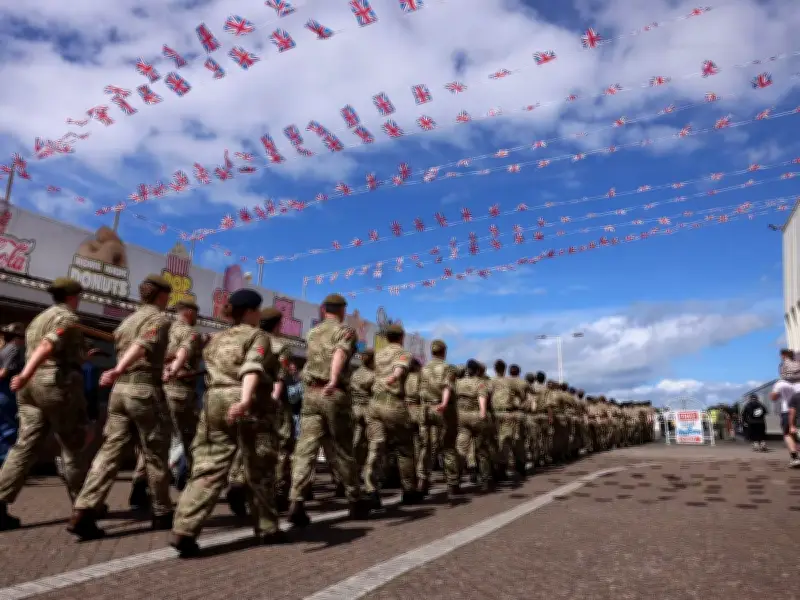
LGBTQ+ veterans affected by the historical ban on gay service members in the armed forces are being urged to claim financial compensation before an impending deadline. Recent data has identified areas in Britain where approximately 1,000 ex-service members are believed to reside but have yet to come forward, including the North East of England.
Low claim numbers in North East
According to information from the charity Fighting With Pride, the number of veterans from the North East claiming redress for mistreatment under the pre-2000 "gay ban" has been unexpectedly low. Additionally, the charity noted that fewer women veterans have come forward than anticipated.
Other hotspot areas include Yorkshire, South West England, and Scotland. LGBTQ+ servicemen and women are facing an approaching deadline of December 12 to apply for the government’s financial redress scheme, which offers £50,000 in discharge payments, as well as up to £20,000 in additional impact payments.

Historic ban and its impact
Between 1967 and 2000, a ban was enforced that resulted in men and women in the Army, Navy, and Air Force enduring brutal interrogation and harassment. Many were forced out of service, leading to long-term impacts on their lives and careers.
Fighting With Pride, which advocates on behalf of the LGBTQ+ forces community, in June launched its "Battle for Lost Veterans" campaign, urging those yet to come forward to apply for financial redress. It believes there are approximately 1,000 people eligible for the scheme yet to have made a claim.
Charity's call to action
Peter Gibson, Fighting With Pride chief executive, said: "At Fighting With Pride, we’re determined to find every last veteran who’s owed justice. Nobody should be left behind."
"As the only LGBTQ+-specific armed forces charity, we will help anyone impacted by the ban to apply for what is rightfully yours, before it’s too late."
"If you know anyone who served and suffered under this outrageous historic policy, please help us find everyone. We can be contacted via our Fighting With Pride website. We’re determined to restore pride and dignity in service."
The charity has also called on more women veterans to make applications for the scheme. Some 61% of women who took part in a judge-led inquiry into the ban reported mistreatment under the ban, yet less than half of those who have come forward so far are women.
Veteran's plea to fellow servicewomen
Dawn Loynes, a Royal Navy veteran who was unlawfully dismissed in 1994, encouraged other women to come forward to claim redress.
She said: "The mistreatment I experienced as a young female sailor had a profound and lasting impact on my life. While nothing can undo what happened, reconnecting with my military family, receiving my beret, and having my experiences recognised have all been important steps in my healing."
"I know that for many people affected by the ban, coming forward can feel daunting. Revisiting painful memories and reliving experiences that many have spent years trying to move beyond can be difficult and deeply emotional. Everyone’s journey is different, but it is important to know that you do not have to face that journey alone, and support is available throughout the process."
The veteran added: "If sharing my story gives even one person the confidence to take that first step, then speaking publicly will have been worthwhile."
"Your experiences matter, your service matters, and what happened to you deserves to be recognised."
"Please do not leave it too late. If you think you may be eligible, I encourage you to explore your options and seek advice soonest."
Almost £20 million of the £75 million the Government has set aside for the redress scheme is yet to be distributed.