Manchester City Council has expressed profound regret over the treatment of Roger Youd, believed to be the only person in Britain detained against their will due to an HIV diagnosis. The council stopped short of a full apology, prompting campaigners and family to renew calls for one.
Who Was Roger Youd?
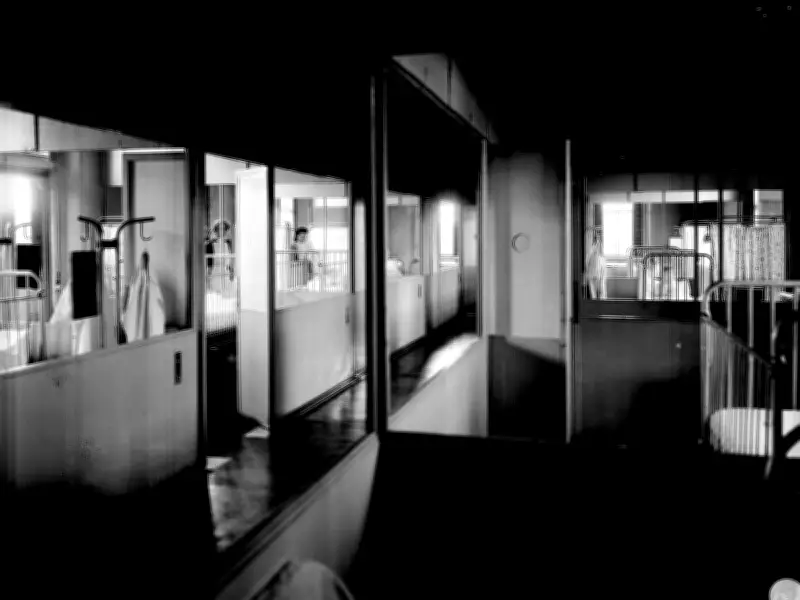
Roger Youd, born in Flintshire in 1956, moved to Manchester in the early 1980s. He was a beloved figure in the city's gay scene, working as a DJ at venues like Napoleons and High Society. Diagnosed with HIV in August 1985, he admitted himself to Monsall Hospital, which later pioneered early treatments before closing in 1993.
The Detention Order
On September 14, 1985, Manchester City Council's chief medical officer, Dr Anna Jones, applied for a court order under the Public Health Control of Disease Act 1984 to detain Roger. The court granted the order, preventing him from leaving the hospital. Dr Jones told magistrates: "The patient has indicated a wish to leave hospital. In the opinion of myself and the consultant, that would be dangerous."
Roger's consultant, Dr Edward Dunbar, claimed in a Thames TV documentary that Roger was "bleeding profusely from many orifices" and that anyone nearby could be "sprayed with a large quantity of infected blood." His family, who were staying at the hospital, said they were not informed of the order. His brother Carlton recalled: "I was completely stunned. They pursued the order without sharing their intentions with us."
Public Outcry and Legal Challenge
The gay community protested outside the town hall. The Terrence Higgins Trust arranged legal counsel, and on September 24, 1985, the Court of Appeal lifted the order. The council's barrister said Roger's condition had "substantially improved" and "no longer justified detention." However, Judge Patrick Russell noted the evidence "plainly indicated that it was a proper order."
Dr Dunbar defended his actions: "I would be failing the public of this city if I did." Further protests occurred on October 8, and the council pledged to review procedures to prevent a recurrence.
Legacy and Impact
HIV and AIDS have never been notifiable diseases in Britain, yet a 1985 regulation allowed detention powers for AIDS patients. This regulation was repealed in 1988. Roger remained at Monsall voluntarily and died there in December 1985, aged 29.
Activist Will Hampson, who documented Roger's story in his podcast "AIDS: The Lost Boys of Soho," has launched a petition urging the council to apologise. He said: "Nobody ever apologised, that is what is ringing in my ears."
Richard Angell, Chief Executive of Terrence Higgins Trust, said: "We stand by this characterisation of the order and support calls for the Council to finally apologise." Peter Tatchell added: "The expression of 'regret' is not enough. It should make a full apology."
Councillor Pat Karney said he was "sorry Roger and his family had to endure this ordeal" and offered to arrange a meeting. A council spokesperson said: "Mr Youd's treatment was unacceptable and is something we profoundly regret."
The Manchester Evening News also acknowledged its own role, with editor Sarah Lester stating: "We recognise that our reporting contributed to the stigma and distress experienced by Roger and his family. We are sorry for that."