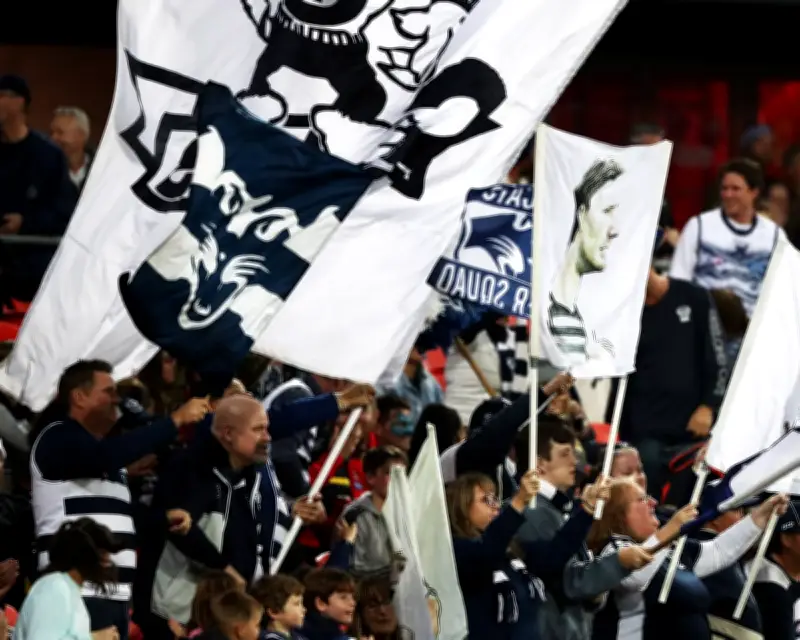
The AFL, AFLPA, and Geelong have faced scrutiny over the Cats' deal with a player who had a history of concussions. The club signed a legal document with the player two years ago that would preclude liability for Geelong in any future concussion-related lawsuit.
Geelong's Waiver and the AFL's Response
Geelong has been widely condemned for its conduct, even though the AFL – whose chair, Craig Drummond, signed off on the deal when he was Geelong president – did not sanction them. Instead, the AFL issued a statement on Thursday evening, confirming the waiver would be set aside and others outlawed.
The league's tepid response enraged the football community. Questions arose about why Geelong escaped punishment, Drummond's role and suitability as AFL supremo, and what made it a “complex and unique case.”

Players' Perspectives on Risk and Liability
Melbourne captain Max Gawn said he would not have signed such a document but suspected he might be in the minority. “I daresay a lot of people will sign whatever is in front of them. We're on good money, it's tough to get that money elsewhere, and we also love footy,” he told Triple M.
Western Bulldogs coach Luke Beveridge echoed this: “Every player wants to keep playing until their boots fall off, so it's an interesting discussion around liability and risk. All I know is that when I was playing, we all had concussions, and if I had to sign a waiver to keep playing, I would have.”
Calls for Stronger Leadership from the AFLPA
Swinburne brain health researcher Professor Alan Pearce said the AFLPA must show greater independence. “I'm disappointed the AFLPA didn't take stronger leadership on this and waited to do a joint statement with the AFL,” he said.
Former AFLPA president Joel Bowden told ABC Melbourne: “The power the players association have is 100% membership. They can't be in bed with the employer. They have to actually stand up for the rights of the players, the rights of their members.”
The Financial Burden of Concussion
The AFLPA has established a severe injury benefit fund that pays eligible past players (and dependents) up to $600,000 to compensate for loss of earning capacity due to bodily or cognitive impairment caused by their playing career. However, since the fund started accepting claims last year, the value of payouts is accelerating and will soon eclipse the rate of contributions from players.
Commercial insurance providers have withdrawn coverage for head trauma, leaving this fund as the main mechanism to help former players. The professional cohort playing Australian rules football has doubled in the past decade thanks to the AFLW, and many will need financial support in future due to brain decline.
This week has been a jarring wake-up for the AFL, raising uncomfortable, existential questions. The answer may be costly, but it is a price the game must pay to save players from themselves.