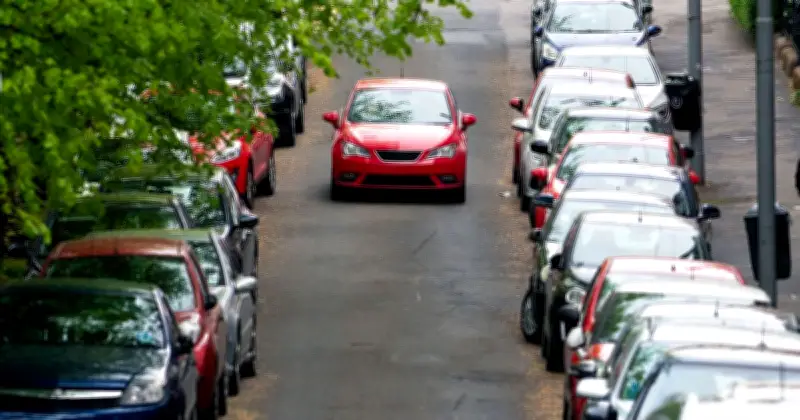
The Metropolitan Police has clarified that parking on a public road outside someone else's home is not illegal, but reserving a space with objects such as cones or wheelie bins is an offence under the Highways Act 1980.
For many Britons, the street outside the home feels like an extension of their property, which has led to parking disputes nationwide. With parking spaces increasingly at a premium, questions have arisen over who actually owns the space on a public road and whether homeowners have the legal right to protect the pavement outside their front windows.
What the Law Says About Public Parking
According to the Metropolitan Police, if a parking space is available on a public road, anyone is legally permitted to park in it. Authorities acknowledge that finding parking can be frustrating when spaces are scarce, but parking on a public highway outside someone else's home is not illegal.
However, residents who reserve public parking spaces with objects such as cones or wheelie bins are acting illegally.
Highways Act 1980 and Obstruction
Under section 137 of the Highways Act 1980, it is an offence to obstruct the highway without proper permission. The act states: "If a person, without lawful authority or excuse, in any way wilfully obstructs the free passage along a highway, he is guilty of an offence and liable to imprisonment for a term not exceeding 51 weeks or a fine or both."
Placing objects to block a space constitutes an unauthorised obstruction of a highway. If residents encounter neighbours doing this, they can report the obstruction to the local council or highway authority, which has the power to require their removal or to remove them directly.
When Police Can Intervene
Police may get involved when antisocial behaviour is concerned, such as if a resident's car is trapped and unable to exit onto the road. Local police may also intervene if a vehicle poses a severe hazard or immediate physical obstruction.
Homeowners and renters can request police help if a vehicle is parked dangerously, left on official zig-zag lines, or positioned in a way that blocks access for emergency service vehicles.