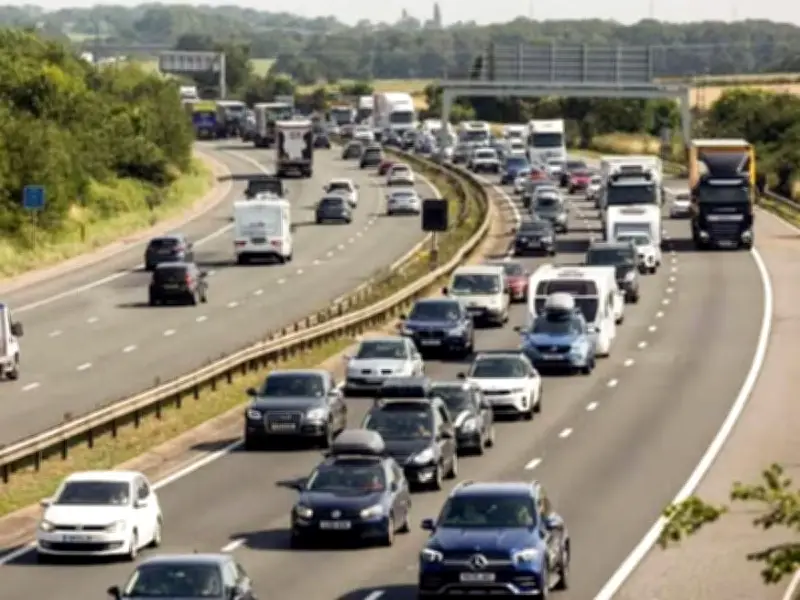
Artificial intelligence cameras installed on major roads in the West Midlands have detected 19,000 driving offences in just 14 days, and the technology is now set to be rolled out more widely across the UK.
The Acusensus camera systems are to be installed on the M5 motorway for the first time. Trials have also taken place in Devon and Cornwall, where more than 8,500 offences were detected, including more than 5,400 seatbelt offences and 3,100 mobile phone offences.
Offences detected across the West Midlands
Over 17,000 seatbelt offences were detected at two locations in Birmingham and Wolverhampton in just two weeks, along with 2,000 phone offences. The cameras can identify illegal activity in vehicles, from talking on the phone to driving dangerously and driving without a seatbelt.
The small snapshot provided insight into how widespread these offences, which are major contributing factors in deaths, are on the roads.
Police and mayor respond
Adrian Leisk, head of road safety for Devon and Cornwall Police, said: "Using your mobile phone behind the wheel significantly increases your chances of being involved in a serious collision, particularly on high-speed roads where traffic might suddenly slow, and motorists not wearing seatbelts are twice as likely to die than those who wear one."
He added: "While the figures demonstrate that the vast majority of motorists are complying with the rules, sadly a small minority continue to ignore the law and put other lives in danger."
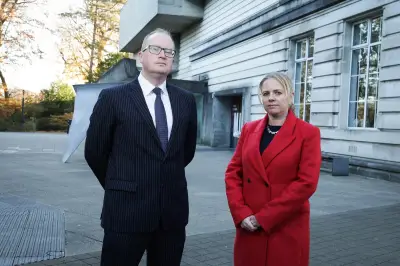
West Midlands Mayor Richard Parker said he was keen to make the AI technology permanent following the results of the short trial. He said: "The number of people risking their own lives and the lives of others, including some very young children, is frankly shocking and far higher than we expected when setting up the trial.
"The law is clear on seatbelts and mobile phones. I've met families who have lost loved ones to reckless driving. They never recover from these tragedies; the grief is always there. People need to stop doing this, it is simply not worth the risk."
Next steps for the technology
Parker said he would use every resource available, including new technology like this, to make streets safer as results are reviewed with the Road Safety Partnership and next steps are considered.