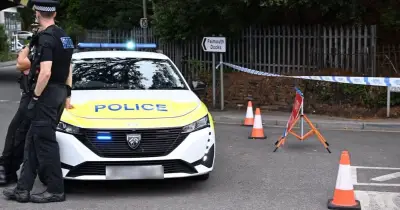
Since the start of the Iran war in February, fuel theft has risen 23%, with more than £1.2m worth of fuel stolen from British forecourts each week, according to Forecourt Eye and The Times. Petrol station owners say police often fail to act, treating the crime as a civil matter.
Garage owner faces daily thefts
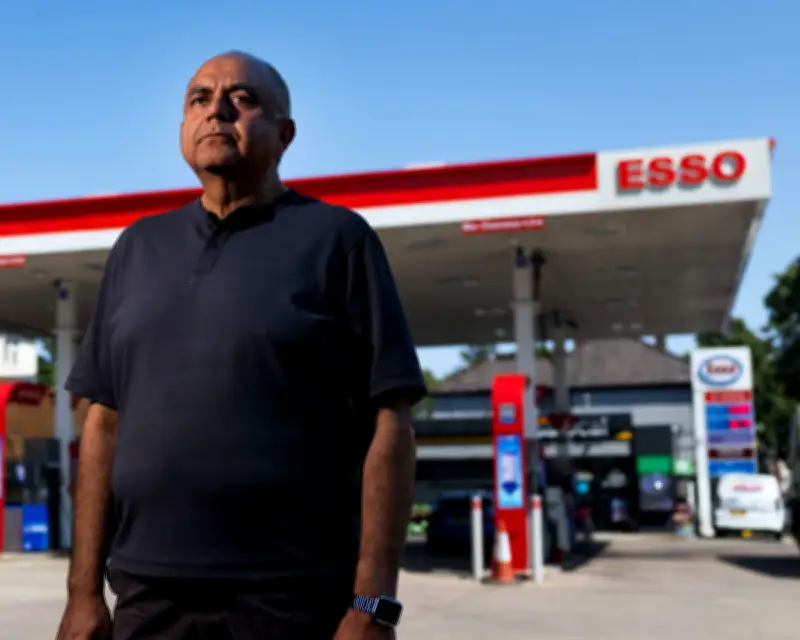
Shailesh Parekh, who owns six forecourts in Birmingham, says fuel theft has become a weekly and sometimes daily occurrence. In the first week of July, his Erdington station saw three fuel runners, and in June, 12 people drove off without paying. Across his garages, theft cost him more than £40,000 last year.
“I had a guy all suited and booted do a runner in a Jaguar,” says Parekh. Thieves now wear hi-vis jackets to impersonate workmen or appear as ordinary customers. “They come right in front of you, because they have no fear.”
Rise in first-time offenders
Gordon Balmer, executive director of the Petrol Retailers Association, says “first-time offenders” are becoming more common, driven by rising household costs and opportunism. Fuel prices have risen sharply: from mid-February to June 2026, petrol rose from 131p to 155p per litre, and diesel from 141p to 176p per litre.
Parekh’s forecourts are fitted with extensive CCTV, but pursuing thieves is often pointless. “Half of the runners, we don’t even report them. It’s such a mission,” he says.
Police response criticised
Despite CCTV and licence plates, convictions are rare. In 2024, five police forces closed fuel theft investigations without identifying a suspect in nine out of 10 cases. West Midlands police, which covers Parekh’s area, recorded that 98% of 1,150 reports in early 2022 resulted in no further action. Parekh says officers tell him “it’s a civil thing”.
Balmer recalls an incident where thieves filmed themselves stealing fuel for TikTok, but police “didn’t think it was something that they should criminalise them for”. In another case, a cashier was run over by a van while trying to stop a thief; Parekh pursued the police for 14 months without action.
Broader impact on business
Parekh also faces rising national insurance and business rates, which rose from £16,000 to £43,000 last year. His shop is frequently ransacked, and staff no longer work alone after 8pm. Some thieves use cloned plates or steal vehicles to avoid detection, leaving innocent owners falsely accused.
Despite the challenges, Parekh says petrol stations remain important community assets open late. But at 62, he questions his future in the trade: “I’m beginning to think: why am I doing this?”