The Trump administration has imposed sanctions on two more senior officials of the International Criminal Court (ICC), bringing the total number of sanctioned jurists to 13. The move is part of a broader effort to protect US and Israeli officials from prosecution for alleged war crimes.
Latest sanctions target ICC president and trial lawyer
The latest individuals affected are the ICC president, chief judge Tomoko Akane of Japan, and Abdoulaye Seye of Senegal, a senior ICC trial lawyer, reportedly for his role in advancing the prosecution of Israeli officials. The sanctions prevent the targets from using the international financial system, including credit cards and banking services, making it extremely difficult to navigate a modern economy.
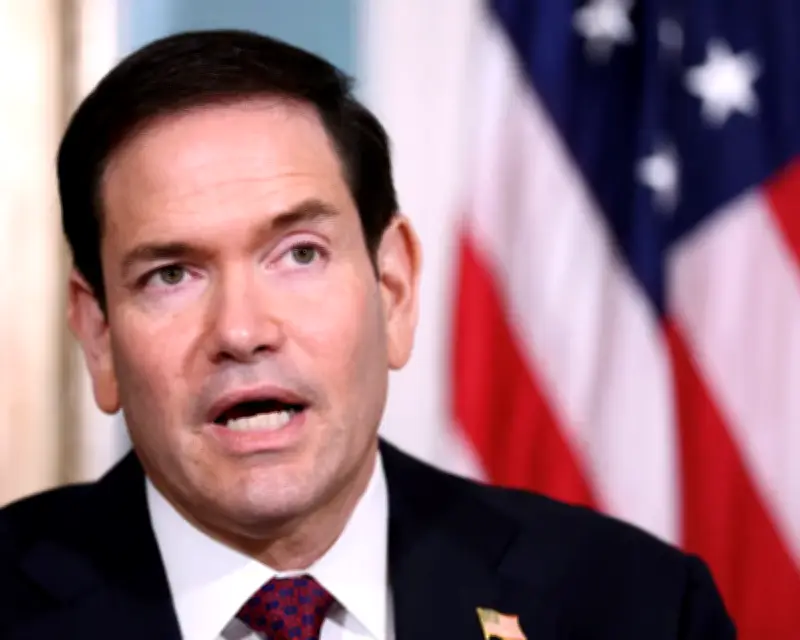
Secretary of State Marco Rubio has described the ICC as threatening "America sovereignty," but critics argue this is only true if Americans and Israelis have a sovereign right to commit war crimes. Rubio's main complaint is that the ICC can "investigate, arrest, detain, or prosecute officials whose government has not consented to ICC jurisdiction."

Territorial jurisdiction and its implications
The ICC obtains jurisdiction over crimes committed on the territory of member states, even if the accused is a foreigner. This principle, known as territorial jurisdiction, was accepted by the US when the ICC's founding treaty was adopted in Rome in 1998, despite initial objections. The US lost that vote overwhelmingly, 120 to seven.
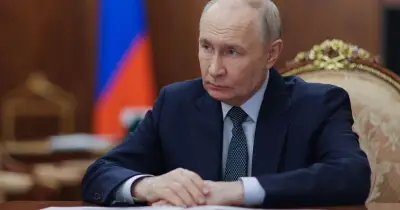
Territorial jurisdiction has been used to prosecute Vladimir Putin for the kidnapping of children from Ukraine, a move that President Biden called "justified." However, the Trump administration has objected when it was used to charge Israeli officials Benjamin Netanyahu and Yoav Gallant with crimes in Gaza, where Palestine is a member of the ICC.
Potential legal consequences for US officials
The sanctions themselves could lead to prosecution of Trump and Rubio under Article 70 of the Rome Statute, which codifies the crime of obstructing justice for retaliating against an ICC official. The court would have jurisdiction because the sanctions relate to the prosecution of Israeli officials for crimes committed on Palestinian territory.
Rubio has vowed to dismantle the ICC "brick by brick, if necessary," and called on other countries to end their funding and participation. So far, only Venezuela and Chad have announced withdrawals, with Chad's decision following a call from a US state department official. Three military juntas in the Sahel—Niger, Mali, and Burkina Faso—have also announced their exit, though separately from the US campaign.
The European Union has a "blocking statute" designed to negate the effect of US sanctions, but it has not invoked it to protect ICC personnel. The EU says it "deeply regrets" the sanctions, but there appears to be fear among banks, particularly in the Netherlands, of retaliation from Trump. The ICC is located in The Hague, also the Dutch seat of government.