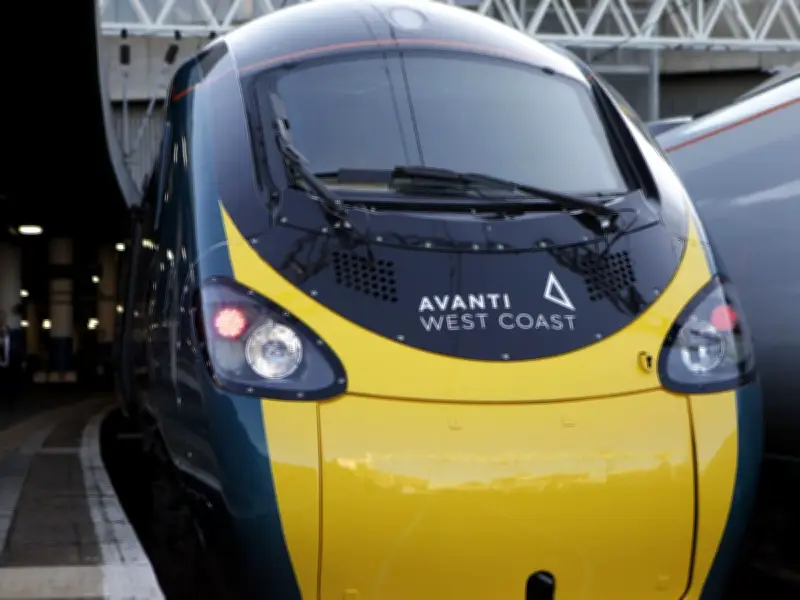
Train drivers are considering strike action over a lack of toilets, with unions stating that basic needs remain unmet a year after the rail regulator ordered operators to improve facilities and breaks.
Union Puts Industry on Notice
Aslef, one of the UK's largest train driver unions, has long campaigned for better toilet and washroom facilities. General secretary Dave Calfe told the Press Association the union is "putting the industry on notice."
A 2024 Dignity For Drivers report found widespread issues, with many drivers unable to reach working toilets and resorting to urinating in bottles or defecating in cabs. The report described a significant health and safety problem, where drivers dehydrate themselves to avoid needing a toilet break, putting passengers and staff at risk.

Charter Promises Unfulfilled
The union believed a breakthrough occurred last summer when operators signed a charter set by the rail safety board. On 29 July 2025, Richard Hines, HM chief inspector of railways at the Office of Rail and Road (ORR), wrote to operators stating that "reliable welfare facilities are a basic requirement in any civilised society" and that the current situation is "unacceptable."
"We need action, not broken promises," Calfe said. "The health and wellbeing of our members is not a price we are prepared to pay for the inaction of the industry." He warned of consequences if promises are not delivered. Aslef says it is not ruling out industrial action if there is no progress in the coming weeks and months.
Health Risks and Female Drivers
Calfe added: "Our demand, for going no longer than four hours without access to agreed toilet facilities, will help ease and prevent such serious conditions as deep vein thrombosis, bladder issues, prostate cancer and colorectal cancer." He noted that twenty months after exposing the scandal, and a year after train companies promised action, drivers are still paying with their health.
Aslef highlighted that female drivers are particularly affected, and the situation deters efforts to recruit more women. The welfare charter, meant to be implemented within 12 months, requires "safe, clean, accessible and dignified" toilets and a maximum of four hours driving without a toilet break.
ORR Reports Slow Progress
The ORR’s annual report earlier this month said that despite strong initial commitment, "progress has been uneven and industry momentum has slowed. Key barriers remain, particularly around coordination, shared access to facilities, and consistent delivery."
Calfe concluded: "A year after train companies promised to do the right thing, drivers are still paying with their health for industry inaction. The industry and the government cannot continue failing the workforce on the most basic level, and we need action now."