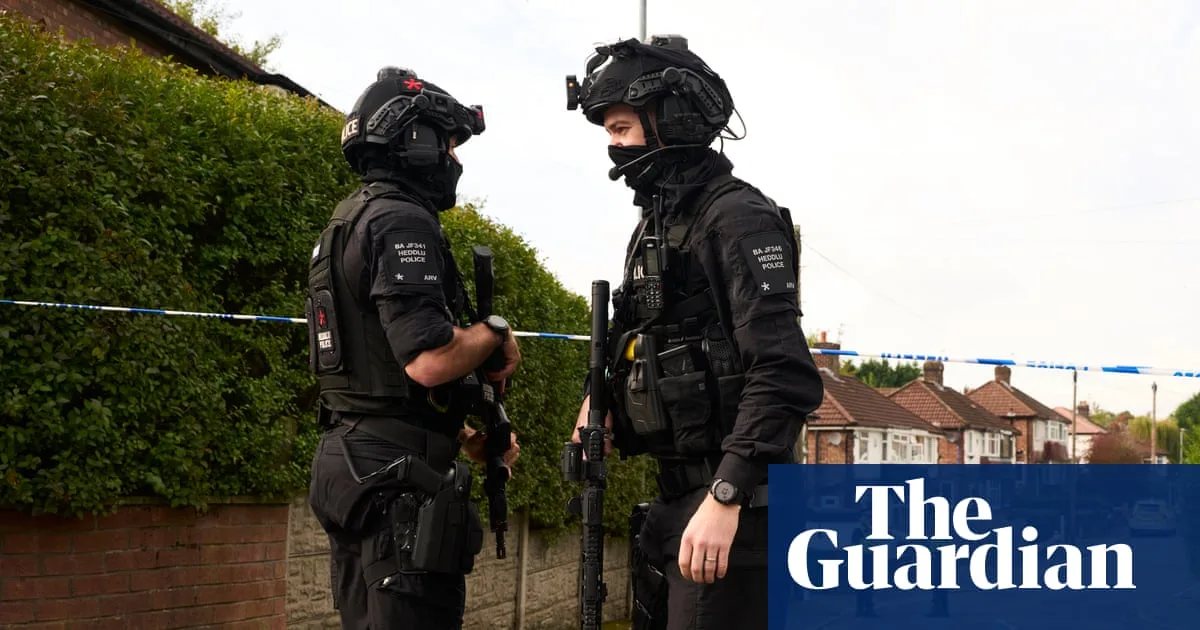
A deadly stabbing at a Manchester synagogue has prompted a heightened state of alert for MI5 and counter-terror police, with increased patrols planned at Jewish places of worship across the country. The attack, which occurred on the last day of Yom Kippur, killed two people and seriously injured four others, and is being treated as terrorist-related.
The elevated security posture reflects concerns that further incidents could follow around the second anniversary of the 7 October Hamas attack on Israel. London mayor Sadiq Khan has promised high-visibility patrols in and around Jewish sites, with similar commitments made by police forces elsewhere in the UK.
Investigators are focusing on the attacker, who was shot dead by police, with the central theory being an Islamist motivation. The assault at Heaton Park Hebrew Congregation synagogue in Crumpsall was not sophisticated; the suspected explosive devices were found to be fakes, and the victims were stabbed with a knife. A key line of inquiry is whether the attacker acted alone, though no ongoing public threat is believed to exist.

Security officials have noted that the Israel-Gaza war has changed the threat environment. Two years ago, MI5 director general Ken McCallum warned that profound events in the Middle East could generate more volume or change the shape of the UK threat. Meanwhile, recent revelations have shown that Iran directed attacks against Australia's Jewish community, though there is currently no evidence of hostile state involvement in the Manchester incident.
The national terror threat level remains at substantial, and no change is expected in the short term. A review is underway, with a final judgment likely to depend on evidence from the attacker's phone and digital history. The last major spate of Islamist terrorism in the UK occurred in 2017, and McCallum's last annual review noted that 43 late-stage terror plots had been disrupted since then, three-quarters of them Islamist extremist.