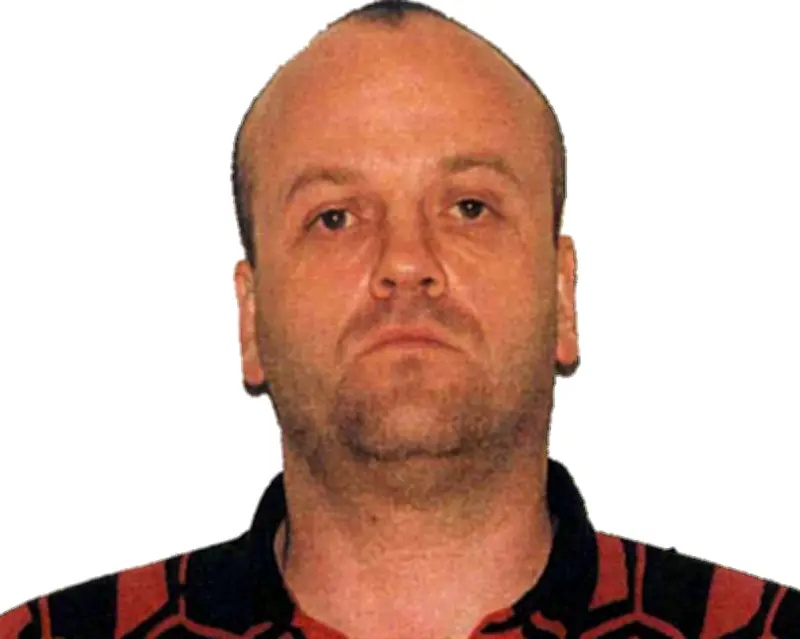
Journalist Ros Astengo, based in Gibraltar, launched an investigation into suspected serial killer Allan Grimson as he neared release after serving over 20 years for murdering two young men. Her work prompted four men to report sexual assaults by Grimson from the 1990s, leading to a guilty verdict on 13 sexual offences at Winchester Crown Court on Monday.
Astengo, who usually covers politics and social issues, initially hesitated, fearing she might reopen survivors' wounds or put herself in the “crosshairs” of a dangerous man. “But the public interest overrode it,” she said. “It would have been so easy for me to have just done nothing. But I thought to myself, how would I feel if as soon as they let him out he reoffended and harmed another young man. My motive was to keep the public safe.”
Background and trial
Grimson, a former Royal Navy petty officer, was jailed for life in 2001 for sexually abusing and murdering Nicholas Wright, 18, and Sion Jenkins, 20, in Portsmouth. He was ordered to serve at least 22 years. At the time, he admitted in police interviews to sexual offences against four other men, but the Crown Prosecution Service did not pursue those allegations because he was already facing a long sentence.

While in prison, Grimson behaved well in hopes of release after 22 years. In November 2020, the Parole Board recommended he be moved to an open prison. Astengo, while covering the disappearance of sailor Simon Parkes in Gibraltar in 1986—a case in which Grimson has long been a suspect but denies involvement—discovered Grimson's admissions and was alarmed he might be freed.
“I was astonished that he was never charged over them,” Astengo said. “I knew what he had done to those boys. That really worried me. How could he be fully rehabilitated? I was worried he would go back into the community thinking he’s gotten away with it.”
Investigation and charges
Astengo tracked down one of the four men and travelled to the UK to speak with him. She encouraged him to file a fresh complaint, warning him it would “open a can of worms.” He contacted police, but initially no action was taken. Astengo then approached the child sexual abuse review panel, which agreed the case warranted re-examination. Detectives interviewed the man and located the three others. In February 2025, Grimson was charged.
The trial highlighted how the justice system has evolved regarding sexual crimes. In the late 1990s and early 2000s, it was not uncommon for serious sexual allegations to be dropped if a defendant faced a long sentence for more serious crimes. Now it is considered the state's duty to pursue them. The case also underscored that until the turn of the century, gay people could not serve openly in the armed forces, making victims reluctant to report.
Grimson's legal team argued it was unfair to charge him for offences not pursued 25 years ago, suggesting the prosecution was a tactic to keep him in prison and “stymie” his parole. They also criticised Astengo, implying she was motivated by profit from her forthcoming book. John Price KC, prosecuting, urged the jury to ignore “conspiracy theories” and praised energetic journalism.
Astengo denied financial motives, noting she paid for her own travel and leave. “The defence tried to paint me as somebody who has exerted undue influence all because I’m writing a book. For me, it was about justice and to prevent a serial offender from being released.”
Court outcome
Judge Dugdale described Grimson as extremely dangerous in the 1990s and ordered reports to assess if he still poses a serious risk. He also requested victim personal statements and thanked the jury for hearing a “very unusual case,” inviting them to return for sentencing in November. “The men were incredibly brave to come to court, bring all this back into their lives,” Astengo said.