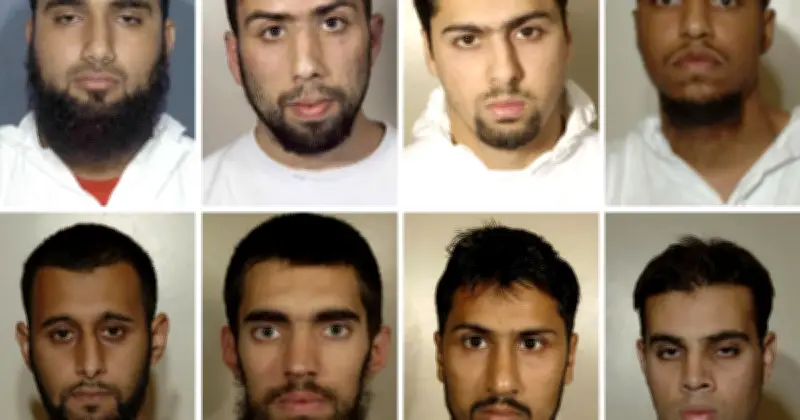
Three men convicted over the 2006 plot to blow up transatlantic passenger planes could be released from prison within weeks, sparking fury from politicians and counter-terrorism figures.
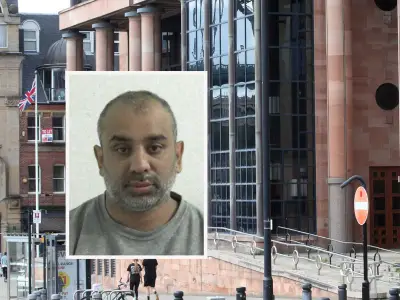
Ibrahim Savant, Arafat Waheed Khan and Waheed Zaman were handed life sentences with minimum terms of 20 years after being convicted of conspiracy to murder. Their cases are now being considered by the Parole Board.
Parole hearings scheduled
Zaman's case is due to be considered on September 7, followed by Khan on September 21, and Savant's hearing is listed for November 12. If the Parole Board decides they can be safely managed in the community, the men could be released before Christmas.

The prospect has prompted anger from politicians, with Reform UK's home affairs spokesperson Zia Yusuf saying the public would be "rightly appalled" and arguing that those convicted of conspiracy to commit mass murder should remain behind bars for life. Tory Shadow Justice Secretary Nick Timothy described the possibility as "unconscionable".
The 2006 plot
The original conspiracy triggered one of the biggest security crises in British aviation history. Police moved against the plotters on August 10, 2006, amid fears an attack could be imminent. The UK terror threat level was raised to critical, and strict restrictions were introduced at airports, causing huge disruption during the peak summer holiday period.
Thousands of passengers were caught in lengthy queues as restrictions were imposed on hand luggage. British Airways cancelled 1,280 flights over eight days and later estimated the disruption cost the airline around £40 million.
Security changes
The plot transformed airport security worldwide. New restrictions limited the amount of liquid passengers could carry, leading to the now-familiar 100ml containers and clear plastic bags. Passengers were forced to leave bottles of water and other liquids behind at security, while toiletries were routinely transferred into travel-sized containers.
Airports have since invested heavily in advanced screening technology, with newer scanners allowing some restrictions to be eased.
Scale of the conspiracy
The plot centred on plans to attack several passenger aircraft travelling from Britain to North America. Investigators uncovered evidence suggesting the operation could have involved multiple suicide bombers, with several suspects recording so-called martyrdom videos.
At the centre of the conspiracy was Abdulla Ahmed Ali, alongside fellow plotters Assad Sarwar and Tanvir Hussain. Ali received a life sentence with a minimum term of 40 years, Sarwar 36 years, and Hussain 32 years. Another conspirator, Umar Islam, was sentenced to life with a minimum term of 22 years.
The cases of Savant, Khan and Zaman
Their cases were more complicated. They were initially cleared of the specific charge of conspiring to blow up aircraft after prosecutors failed to prove they knew the intended targets were airliners. However, prosecutors argued that evidence showed the three had committed themselves to taking part in a murderous suicide attack. A retrial was authorised, and in 2010 a third jury convicted all three of conspiracy to murder.
Sentencing them to life imprisonment, Mr Justice Holroyde told the men that each had agreed to participate in a conspiracy with the intention of killing members of the public and themselves.
Parole concerns
Ghaffar Hussain, a former counter-terror officer who worked on the Government's Prevent programme, warned that assessing the risk posed by former terrorists can be extremely difficult. He argued that life sentences for people who intended to kill large numbers of innocent people should mean lifelong imprisonment, warning that released terrorists have reoffended in the past.
The Parole Board has stressed that public protection remains its overriding priority. A spokesperson said reviews are conducted "thoroughly and with extreme care" and that protecting the public is the board's "number one priority". The three men have not been automatically granted release; their cases must first be assessed.