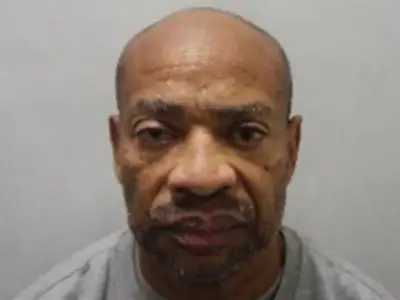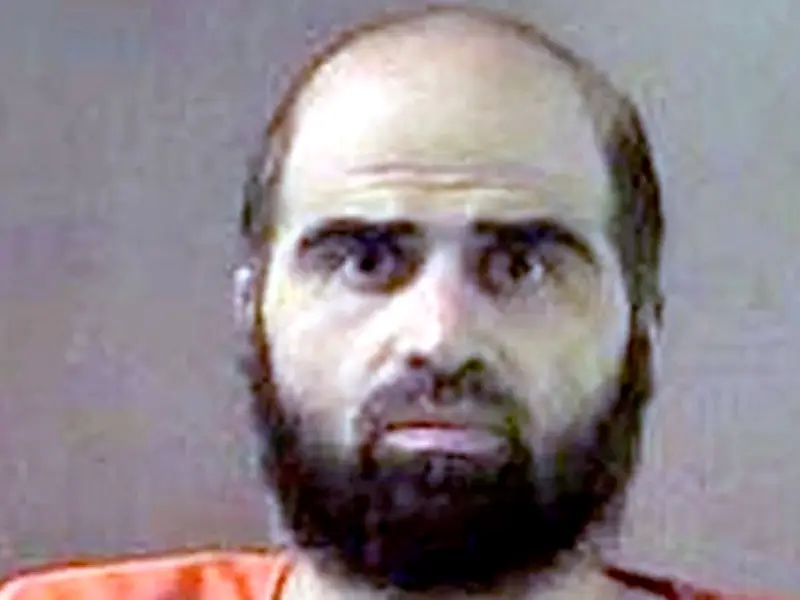
The United States is set to execute an inmate by firing squad later this year and will livestream the entire event. The execution of Nidal Malik Hasan is scheduled for December 3, and Defence Secretary Pete Hegseth has confirmed it will be broadcast to the general public.
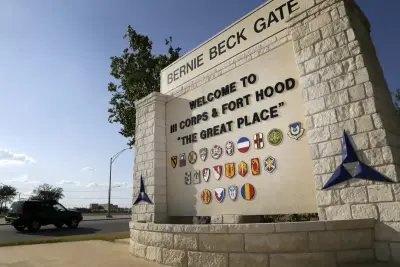
The Pentagon announced the firing squad execution will take place at Fort Hood in December, with Hegseth promising it will be livestreamed. Speaking to conservative TV channel Real America's Voice News on Wednesday, Hegseth said: "We'll make sure that people are able to watch it, that it's public."
Execution Details Confirmed
Hasan was found guilty of murdering 13 people and wounding an additional 32 in a 2009 shooting at the military base. Pentagon officials confirmed on Thursday that the execution will be livestreamed, with further details to be released. Pentagon spokesperson Sean Parnell stated on Monday that President Donald Trump had authorised Hasan's execution.
At a firing squad execution, the inmate is strapped to a metal chair with heavy leather restraints. Surrounding the chair are sandbags to stop any stray bullets and to contain any blood. A doctor then uses a stethoscope to locate the inmate's heart and pins a fabric cloth target (usually a white circle) directly over it. A black hood is then placed over the inmate's head.
How the Room Is Set Up
The execution setup consists of two main rooms directly opposite each other, separated by a thick wall. In the execution room, the inmate sits strapped to a heavy chair in the middle of the room. Behind and beside the chair are stacks of sandbags, which trap stray bullets and absorb blood so nothing bounces around the room. There are also thick glass windows on the side allowing witnesses and media to watch.
The firing room is a darkened room where the five executioners stand. They look out from their room and aim their rifles through narrow slots cut into the dividing wall. The main room is brightly lit so the executioners can see the inmate's chest target clearly, but no one on the outside can see who the executioners are.
Bullets and the 'Conscience Round'
There are five shooters in the firing room who are provided with a standard .30-30 Winchester rifle. Five cartridges are loaded into the .30-caliber rifles. Four of the cartridges are loaded with one live bullet, making a total of four bullets. The bullet travels at roughly 2,200 feet per second (over 1,500 mph) after leaving the rifle barrel.
One randomly chosen rifle contains a blank round. This blank round is known as the "conscience round", giving the executioners the chance to believe they might not have fired a fatal shot. Extra bullets and backup rifles are kept prepared on-site in case they need to go again, but the shooters do not manually reload individual loose bullets in the chamber during the execution.
Timing and Recruitment
The inmate usually dies quickly, as a result of blood loss caused by rupture of the heart or a large blood vessel, or tearing of the lungs. This typically happens within 2 to 10 seconds. Once the squad fires, a doctor waits around 3 minutes before entering the execution chamber to check the inmate's vital signs with a stethoscope. If the doctor detects a heartbeat or persistent signs of life after that 3-minute window, they immediately signal the warden, who orders a second go.
According to Utah's technical manual for executions, the 'execution team' is a five-person squad with a team leader. When an execution warrant is issued and a date is set, the Department of Corrections or the state's Law Enforcement Division sends a confidential notice to state police, county sheriff's offices, and state correctional institutions to recruit volunteers. Interested officers submit a confidential request directly to the warden or execution director. Applications are then vetted and five primary shooters and a few backup alternates are chosen.
They screen for active POST (Peace Officer Standards and Training) certification, physical fitness, marksmanship records, and mental suitability. Priority is usually given to qualified officers from the specific county where the crime took place. The selected officers then train together around 2 to 3 weeks before the execution is due to take place. They practice shooting and firing on a commander's count. A day or two before the execution, the five selected officers perform a walk-through inside where the execution is due to take place to familiarise themselves with the lighting and wall slots. It's consistently reported that there are always more applicants than available spots, and the names of those chosen are strictly confidential.