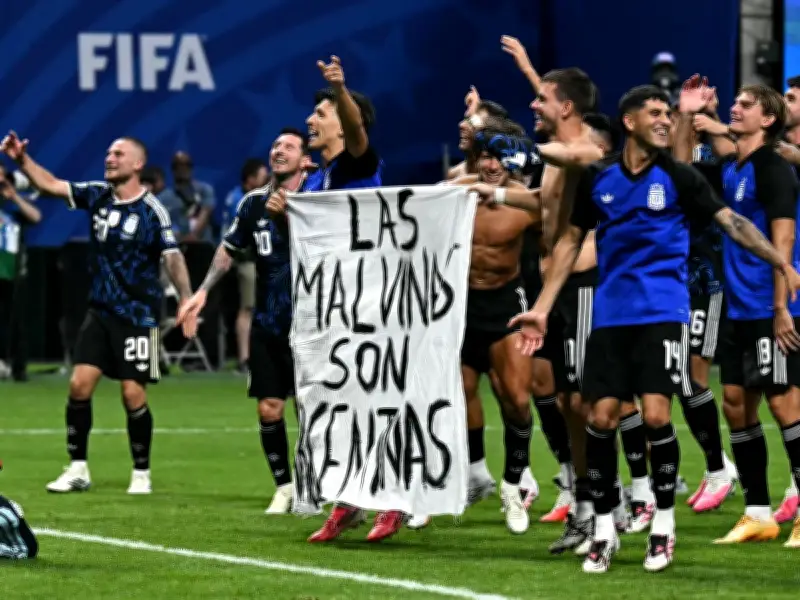
Several Argentina Premier League players could face visa revocation after displaying a controversial banner following their World Cup semi-final win over England. The incident occurred in Atlanta, where players including Manchester United's Lisandro Martinez, Chelsea's Enzo Fernandez, and Tottenham's Cristian Romero held a banner reading "Las Malvinas son Argentinas" (The Falkland Islands are Argentine), sparking national outrage in the UK.
Demands and legal powers
Furious fans and political figures, including former Margaret Thatcher aide Nile Gardiner, have called for the players' UK work visas to be revoked, demanding zero tolerance for what they termed anti-British behaviour. The Home Office has broad legal authority to cancel immigration permission if a person's presence is deemed not conducive to the public good, even for conduct outside the UK and without a criminal conviction, according to immigration expert Asma Bashir.
Likelihood of action
Despite the anger, legal experts say direct visa cancellation is highly unlikely based solely on the banner display. The legal threshold typically requires more serious conduct, such as extremism or threats to national security. The banner reflects Argentina's territorial position rather than advocating violence, making any visa cancellation vulnerable to legal challenges on proportionality and freedom of expression grounds.

Potential triggers and disciplinary actions
Visa revocation would only become likely if evidence emerged of a player promoting violence, supporting extremist groups, or directly threatening Falklands inhabitants. Authorities must also establish individual participation and intent, as they cannot penalise all Argentine players by nationality. Disciplinary action from football's governing bodies, such as FIFA, is considered more realistic, as players are prohibited from displaying political slogans. Indirect consequences could arise if clubs terminate contracts, leading to shortened immigration permission.