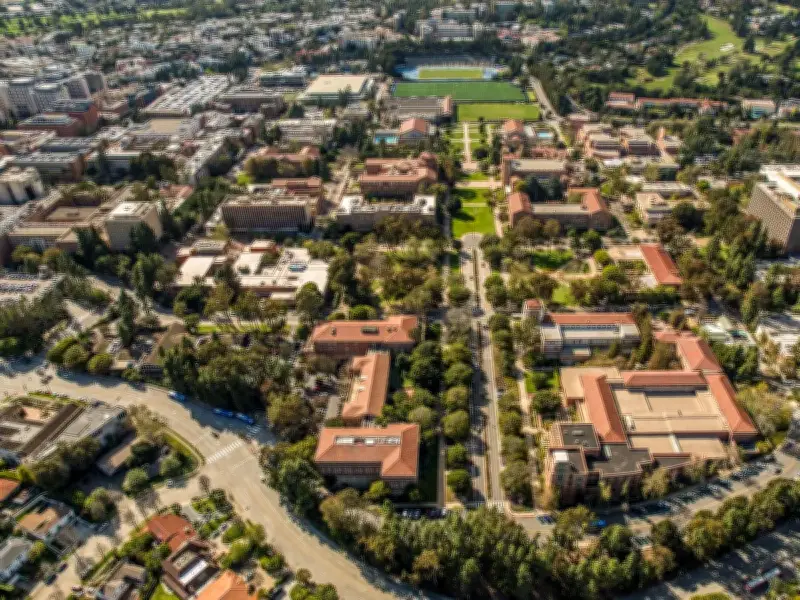
A University of California, Los Angeles (UCLA) student who reported being sexually assaulted claims she was later targeted with intimidation after police investigating her case allegedly gave the accused man access to confidential documents showing where she lived.
The claims are set out in a civil lawsuit filed against the University of California Board of Regents in Los Angeles Superior Court, first reported by UCLA's student newspaper, The Daily Bruin.
Alleged disclosure of forensic records
The woman, suing under the pseudonym Jane Doe, reported in March 2023 that a fellow UCLA student had sexually assaulted her. Campus police then arranged an "acute sexual assault forensic medical examination" for her at the Long Beach Sexual Assault Response Team centre to gather evidence.
While the Los Angeles County District Attorney's Office later declined to file criminal charges, UCLA opened a Title IX disciplinary case. The lawsuit alleges a major breach happened while that university process was still live.
It says that on February 23, 2024, with the Title IX case still open, UCLA Police Department Detective Selby Arsena met with the accused student and his adviser and allowed them "to inspect the materials and to photograph conclusions from Plaintiff's forensic medical records", the New York Post reported. The complaint claims those materials included Jane Doe's home and campus addresses.
Retaliation and response
It says her address was omitted from Title IX documents, meaning the information "could only have been leaked via the campus police department". Doe says she never consented.
"Cooperating with the UCPD, she authorized the release of her SART information to law enforcement for one purpose: to facilitate the criminal investigation of the assault. She did not authorize its release to the person she accused, to his advisor, to any university disciplinary or Title IX process, or to anyone else," the suit says.
The paperwork also allegedly carried a legal warning. "The UCPD materials were stamped with a warning that release by the recipient would violate a California Penal Code statute," the complaint notes.
Then came retaliation, the lawsuit claims. "Within days of that disclosure, Plaintiff's car windshield was smashed and rotting animal remains were left at the door of her university residence," the suit states.
Doe's lawyer Lina Kaisey said UCLA failed to act quickly after the alleged breach. "They did not investigate, did not inform and did not protect Jane Doe against the harm of the disclosure of her address and her rape kit report," she said.
The complaint reportedly alleges UCLA refused her request to move to safe housing and offered only 48 hours of temporary accommodation. It also claims the university wouldn't provide "surveillance footage that would identify who had come to her door", adding: "Defendants invoked the federal Family Educational Rights and Privacy Act ('FERPA') as grounds to withhold the footage, even though FERPA imposed no such bar."
Lawsuit seeks reforms
The suit further alleges: "Rather than investigate it as a bias incident, UCLA folded it into the Title IX matter and, on June 5, 2024, closed it without identifying anyone."
Richard Mejia, director of emergency communications and information for UCLA's Office of Campus and Community Safety, which oversees UCPD, said in an emailed statement that UCPD has consistent procedures for handling sensitive information. "UCLA Police takes reports of sexual assault seriously and is committed to conducting thorough, professional investigations while treating those who come forward with care, sensitivity and respect," Mejia said.
The lawsuit alleges breaches of California privacy protections, including rules that bar law enforcement from disclosing a sex offence victim's address, and seeks damages and structural reforms to how the UC system handles survivor information. Kaisey said: "This is a systems problem, and our lawsuit seeks accountability for what happened to Jane Doe. We also seek to reform the university's information handling practices so that other survivors aren't exposed to these risks, and so that UCLA students can trust that their sensitive information is protected when they report sexual assault to UCPD."