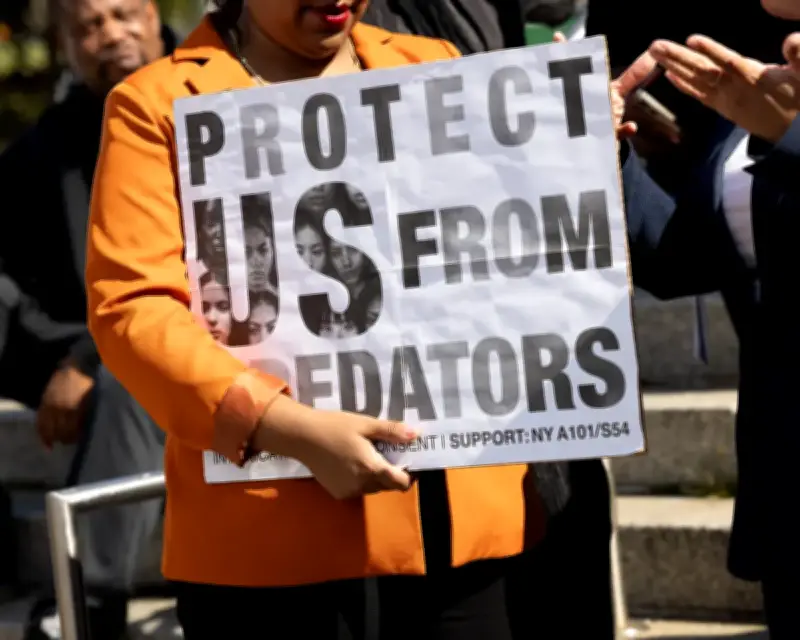
A civil lawsuit filed by a former Cornell University student alleging she was gang-raped by seven fraternity brothers has sparked widespread outrage, leading New York Governor Kathy Hochul to appoint a new special prosecutor to investigate the case. The anonymous woman, identified as Jane Doe in court documents, claims the men plied her with drugs and alcohol before assaulting her over seven hours at their fraternity house in October 2024.
Allegations and University Response
Jane Doe says she arrived at the fraternity house intoxicated and willingly took ketamine, but later became incapacitated while the men “commanded” her to keep snorting the drug. Cornell's internal investigation found two of the men guilty of misconduct, expelling them, while five received lighter punishments, including writing an essay, attending a workshop, or serving a suspension. All seven denied wrongdoing, and none have been charged with a crime.
Cornell defended its handling of the case, stating it closed the fraternity chapter and barred the group from campus. In a statement, the university said it would “continue to examine and strengthen our policies to ensure we are doing all we can to foster a culture where sexual misconduct is never tolerated.” After public pressure, the university agreed to hire external, independent lawyers to review its handling of the allegations.
Prosecutorial and Legal Challenges
Tompkins County District Attorney Matthew Van Houten declined to prosecute the case two years ago, citing that Jane Doe's first account to police did not mention being drugged, incapacitated, or forced into sex. He later admitted he did not read her full interview, only a shorter statement written by campus police. Her full statement included the sentence: “I can say with 100 percent confidence that I was raped.”
Now, New York State Attorney General Letitia James will decide whether to take the case to a grand jury. The lawsuit includes screenshots of Snapchat messages from a fraternity group chat, where an alleged participant referred to Jane Doe as “free pussy,” advertising the alleged assault as it unfolded.
National Reaction and #MeToo Failure
The case has become a flashpoint in the national debate on campus sexual assault, with many women expressing frustration over the normalization of such behavior. Statistics show about one in four undergraduate women experience sexual violence during college, and 60% of rapes involving university students involve perpetrators known to the victims. A survey at Cornell found 35% of female undergrads experienced nonconsensual sexual contact, up from 23% in 2023.
Lisa Wade, an associate professor at Tulane and author of American Hookup, said the case reflects “metabolizing the failure of #MeToo,” which promised a reckoning in 2017. She noted, “There’s a sadness, cynicism and deep disappointment that is also driving the response to this. #MeToo happened, and nobody cared. Here it is again.”
Social media has been flooded with support for Jane Doe, with women sharing their own experiences under the rallying cry “I'm Jane Doe.” The actor Florence Pugh urged men to be “as horrified and as sickened as us [women],” while a former South Park writer launched a website detailing the allegations. College admissions advisers told the New York Post that some high school clients pulled their early decision applications to Cornell due to safety concerns.
The case has also revived discussions on abolishing Greek life, with a Vogue article calling for universities to “ban frats once and for all.” Elizabeth Allan, who leads the Hazing Prevention Research Lab at the University of Maine, said it's important for those in Greek life to consider how these groups reflect larger societal norms and reinforce bad behavior.
Amanda Walsh, deputy director for external affairs at the Victim Rights Law Center, expressed concern about the impact on Jane Doe, noting that “however much support she receives is exactly how much negativity she'll get on the other side.” She added, “At this point, with the political moment and online response, it almost feels like supporting a survivor of sexual violence feels political or partisan, which is wild.”