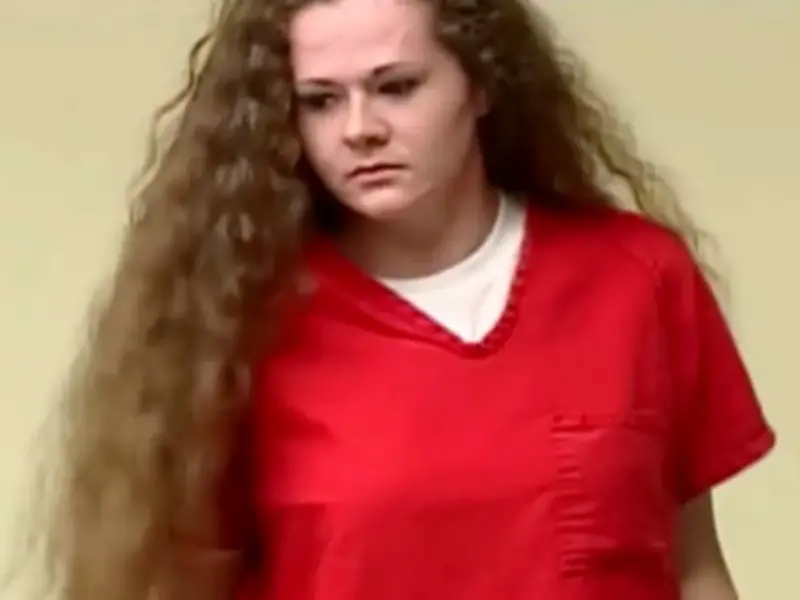
Death row inmate Christa Pike is on a ventilator and unconscious after botched attempts to end her life with lethal injections, marking the second failed execution in Tennessee this year. The 50-year-old remains in a Nashville-area hospital with burned and blistered arms, and the state has halted executions following Wednesday's chaos.
Second failed execution in four months
The unsuccessful attempts were the second in four months in Tennessee after the failed execution of convicted murderer Tony Carruthers was called off when staff were "unable to find a suitable vein" in May. His executioners tried and failed for over an hour to establish an intravenous line. Desperate efforts to insert a central line also failed, and officials called off the execution.
Maria DeLiberato, an American Civil Liberties Union attorney representing Carruthers, who was convicted of kidnapping and murdering three people in 1994, said she saw him "wincing and groaning" while officials attempted to find a vein, calling it "horrible" to watch.
State halts executions, investigation ordered
Since 2022, the state has carried out just four of the more than 140 executions that have taken place across the US, according to the Death Penalty Information Centre. But it is now halting them for a second time since 2022, reigniting questions over the state's handling of capital punishment.
Republican Governor Bill Lee has ordered an independent investigation into what went wrong with the Pike execution, as both critics and supporters of the death penalty called for changes.
Details of the botched injection
Pike received two lethal doses of pentobarbital, a bleach-like, caustic substance that was injected into her body, said her lawyers. They believe problems with the IV lines caused the pentobarbital to flow into her body instead of her bloodstream. "Apparently at no point did any member of the execution team realise that the IV lines were not correctly placed or that the veins had blown and that the pentobarbital was, in whole or in part, entering Ms. Pike’s body," they wrote. Adding that instead of "remedying this failure" prison officials prepared and administered a backup set of pentobarbital syringes.
"Number one, I think we need to get better people that are doing these executions because I don’t know that they’re trained well enough to be doing this on difficult patients," said Republican state Senator Joey Hensley, a family physician, adding that he suspects the IV line was not properly inserted in the Pike case.
It's not uncommon for executioners to have minimal medical training, according to Corinna Lain, a law professor at the University of Richmond and author of a book on lethal injections. Lain said lethal injection has become more popular because it is considered less gruesome and hides the violence of state killing. But she said that, even when states follow protocol, the method still poses risks. "Tennessee has botched executions so badly that two people this year have survived their own executions," Lain said. "That’s quite something."
Pike was 18 when she and her boyfriend at the time tortured and murdered 19-year-old Colleen Slemmer, who they met at a job camp for troubled teenagers, on January 12, 1995. She became the youngest woman sentenced to death the following year.