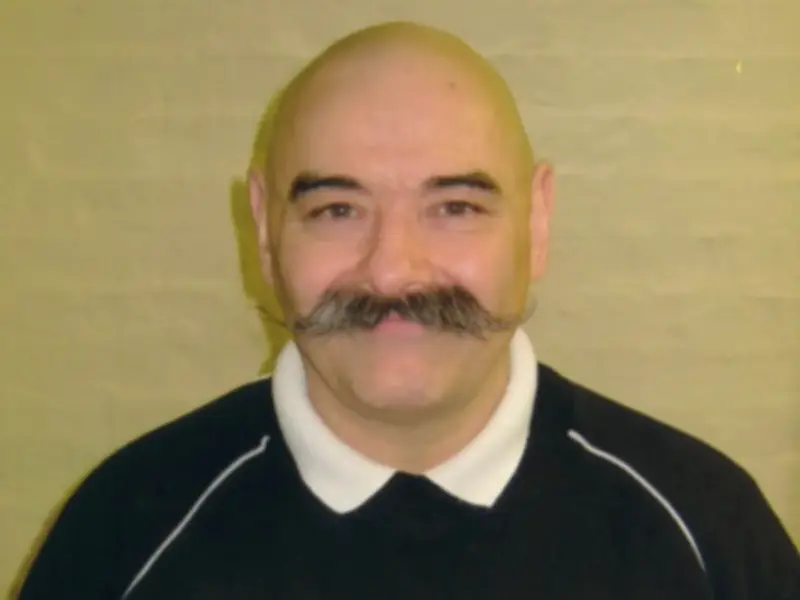
Charles Bronson has been refused release from prison after a ninth parole hearing. The Parole Board panel ruled that releasing him would not be safe for the protection of the public.
Life in Prison
Bronson, 73, has spent most of his life in prison for thefts, firearms offences and violent crimes, including 11 hostage-taking incidents in nine different sieges. His victims have included prison governors, doctors, staff and, on one occasion, his own solicitor.
Bronson, whose real name is Michael Peterson, was first convicted in 1974 when he was 21. He was jailed for seven years for robbery, aggravated burglary, assault with intent to rob and possession of a firearm.
Discretionary Life Sentence
In 2000, he was handed a discretionary life sentence with a minimum term of four years for taking a prison teacher at HMP Hull hostage for 44 hours.
The long-serving prisoner, who has been diagnosed with anti-social personality disorder, has been repeatedly turned down for release. Bronson, who changed his surname to Salvador in 2014, gave evidence at length at his previous parole hearing, telling the panel that he dreamed of walking barefoot on grass and wanted his elderly mother to see him released before she died.
He said: "It's no secret I have had more porridge than Goldilocks and the Three Bears, and I'm sick of it. I've had enough of it, I want to go home."
Latest Hearing Decision
Bronson chose not to attend his latest hearing, which was held earlier this month. He told the panel through his lawyer that he accepted he would not be released or moved to open conditions.
In its decision, published on Tuesday, the Parole Board panel found that "Mr Salvador continued to find it hard to trust people in authority".
The panel continued: "The panel learned that his behaviour had continued to be mixed since his last review.
"There were some positive reports about Mr Salvador including in relation to his engagement with staff and insight into his past use of violence.
"There had however also been further incidents of violence against staff and other prisoners.
"The evidence provided also indicated that Mr Salvador lacked the motivation to abide by prison rules."
The panel added: "After considering the circumstances of Mr Salvador's offending, his behaviour, the limited progress made while in custody and all the other evidence presented at the hearing and in the dossier, the panel was not satisfied that his release at this point would be safe for the protection of the public.
"Nor did the panel recommend to the Secretary of State that Mr Salvador should be transferred to open prison."