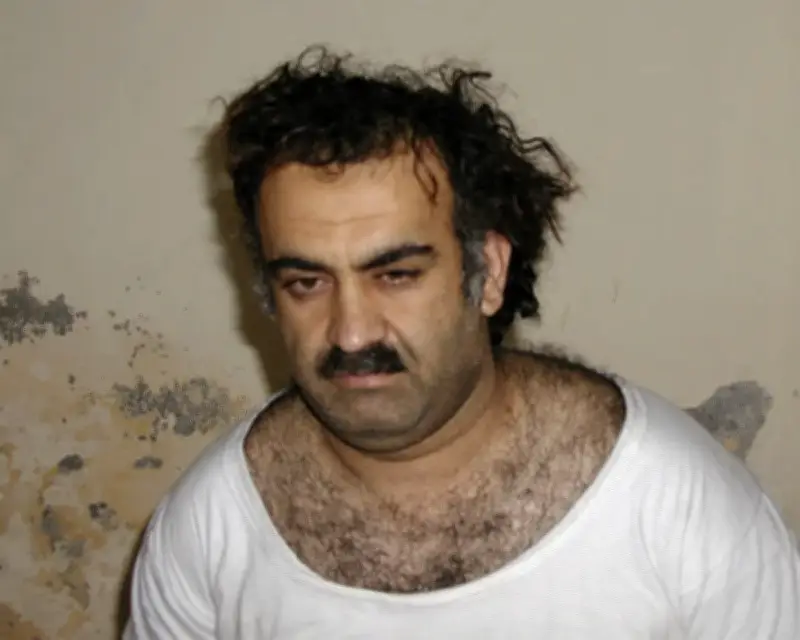
A trial date has been set for four men held at Guantánamo Bay for their alleged involvement in the 9/11 attack, including Khalid Sheikh Mohammed, accused as the plot's mastermind. Judge Lt Col Michael Schrama issued an order on Wednesday for the trial to begin on 5 June 2028, weeks before the 25th anniversary of the attack that destroyed the World Trade Center's Twin Towers in New York City and killed nearly 3,000 people.
Long-Standing Pre-Trial Conflicts
Schrama is the fifth military judge appointed since the defendants were arraigned in 2012. For years, the case has been mired in pre-trial legal conflicts and disputes over admissible evidence. Major issues include confessions obtained after the men were detained in CIA prisons where torture, abuse, and isolation were used. The prosecution has also relied on national security privilege to withhold details from defense attorneys, raising fairness questions, according to the New York Times.
The four defendants include Walid bin Attash, accused of operating a training camp in Afghanistan; Ammar al-Baluchi, Mohammed's nephew, allegedly involved in funding and enrolling hijackers in flight school; and Mustafa Ahmad al-Hawsawi, a Saudi man accused of supplying cash, credit cards, and clothing.

Procedural Deadlines and Death Penalty
The provisional date depends on procedural deadlines and processes Schrama called "the overarching scaffolding." He denied a prosecution request for an earlier start, ruling that "a realistic trial date must account for the hearing and resolution of pretrial evidentiary and compliance motions." The four men face the death penalty in one of the most complex capital cases, with dozens of pre-trial hearings already unresolved.
Five men were initially brought to court in 2008. Ramzi bin al-Shibh, a Yemeni man accused of aiding attackers, was later found mentally incompetent to stand trial due to post-traumatic stress disorder from the US military's "enhanced interrogations." His case is handled separately.
Plea Deal Dispute and Victims' Families
Khalid Shaikh Mohammed, Walid bin Attash, and Mustafa al-Hawsawi have petitioned the US supreme court to rescind a 2024 decision by then-defense secretary Lloyd J Austin III blocking a plea deal that would have allowed life terms instead of a death penalty trial. The deal was seen as a path to close the case, but it drew criticism from victims' families and advocates.
Terry Strada, leader of 9/11 Families United and a widow who lost her husband in the attacks, has long pushed for trial. In 2024, after the deal was pulled, she told the Associated Press she was willing to wait years for "the punishment to fit the crime. And that would be the death penalty."