A US judge has set a trial date for the man accused of making the bomb that destroyed Pan Am Flight 103 over Lockerbie, warning she would not tolerate further delays.
Abu Agila Masud, the Libyan man charged with making the bomb that led to the deadliest terrorist attack in UK history, will go on trial on January 19, 2026. The federal prosecution will finally get underway after the case was postponed several times.
Judge warns against further delays
Judge Dabney Friedrich told the court in Washington, DC at a hearing on Monday: “The defendant and the public and the victims have waited a long time for this trial.”
Jury selection was due to begin in Washington DC in late August but was postponed by a federal judge. The discovery of new evidence that defence lawyers want to examine was cited, but the nature of the evidence was not specified in the order. The last-minute delay sparked fear among victims' families that elderly bereaved may not live to see the trial.
Charge and evidence
Masud, who was extradited from Libya to the US in 2022, has denied the charges. He is charged with two counts of destruction of an aircraft resulting in death. He faces a maximum penalty of life in prison if convicted.
The court hearing on Monday heard the fresh material involved just one new witness. Masud, now in his mid-70s, was in court dressed in a green prison jumpsuit and listened to the proceedings through an interpreter. Prosecutors claim he once confessed to his role, although this has been challenged by his lawyers.
Background of the bombing
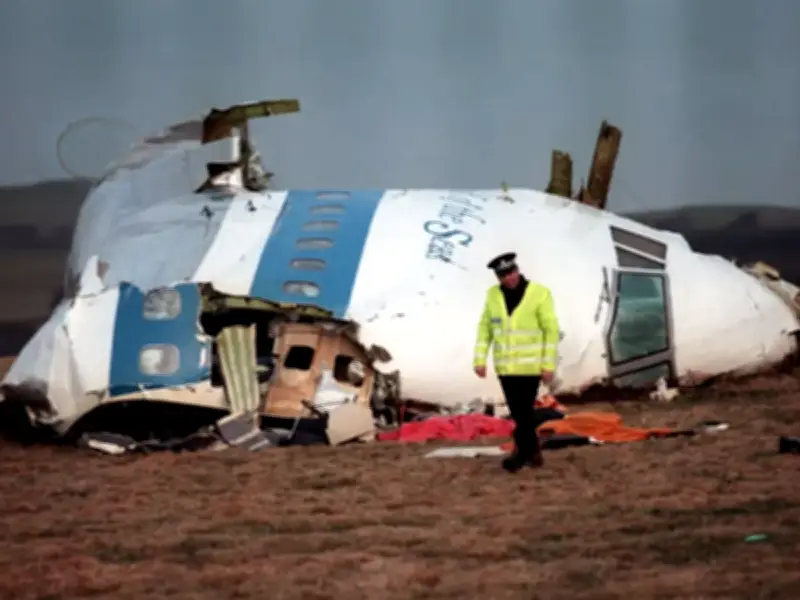
All 259 passengers and crew and 11 people on the ground were killed when Pan Am Flight 103 exploded above the Dumfries and Galloway town on December 21 1988, 40 minutes into its flight from London to New York.
Former Libyan intelligence officer Abdelbaset al-Megrahi is the only person convicted in connection with the bombing, after being found guilty of 270 counts of murder by a panel of three Scottish judges sitting at a special court in the Hague in 2001. He was sent to serve his prison sentence in Scotland but was controversially granted compassionate release in 2009 after being diagnosed with terminal cancer, returning home to Libya where he died in 2012.
His fellow Libyan co-accused Al Amin Khalifa Fhimah, who was cleared at the time of involvement in the atrocity, was recently reported to have died. Scottish prosecutors have always maintained that Megrahi acted with others in carrying out the attack.