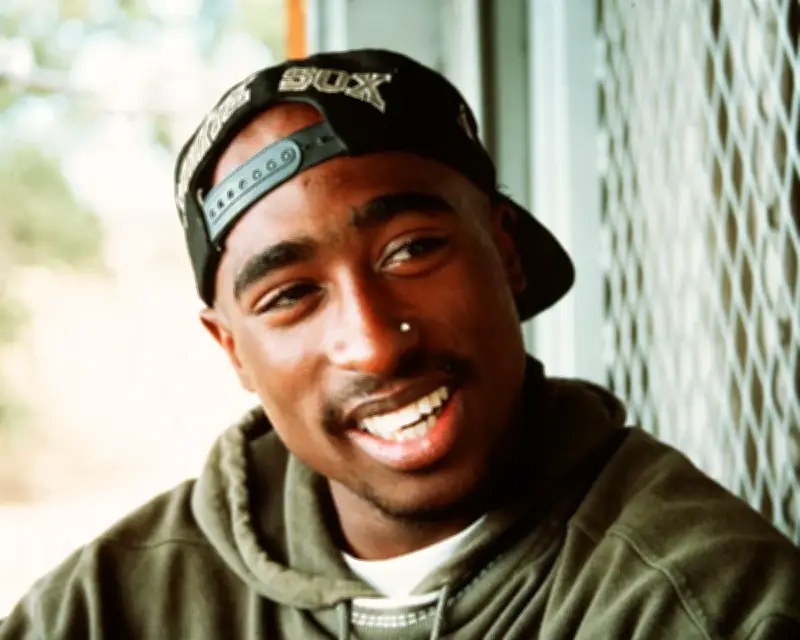
A Las Vegas jury on Monday found Duane “Keffe D” Davis guilty of murder in the 1996 drive-by shooting of hip-hop icon Tupac Shakur. The conviction brings long-awaited resolution to a case that has fueled conspiracy theories and dominated headlines for three decades.
Guilty Verdict in 30-Year-Old Case
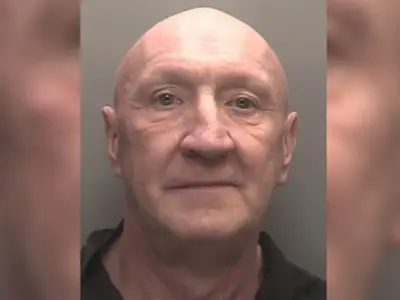
Davis, a 63-year-old former South Side Compton Crips gang leader, was convicted for his role in the killing. During the two-week trial, prosecutors argued that Davis was the “on-the-ground, on-site commander of the effort to kill Tupac” and had sought revenge after Shakur was involved in a fight with his nephew, Orlando “Baby Lane” Anderson.
“We’ve been waiting 30 years to grieve properly,” Zayd Akinyela, Shakur’s cousin, told reporters outside the courtroom during the trial.

Details of the 1996 Shooting
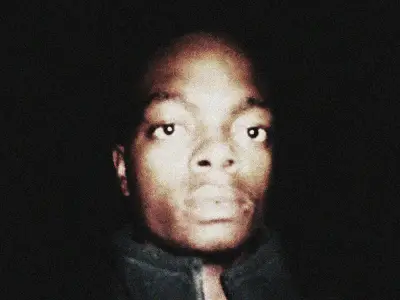
Shakur, the son of Black Panther party members, was at the height of his career in 1996. He had released the hit album All Eyez on Me, which sold millions of copies, and had become a global superstar.
In September 1996, he was in Las Vegas attending a Mike Tyson fight at the MGM Grand hotel. While heading to an afterparty that evening, he was attacked just off the Las Vegas strip alongside Marion “Suge” Knight, the founder of Death Row Records. As they waited at a red light, a Cadillac pulled up next to Shakur’s vehicle and shot him multiple times. Shakur died days later, at age 25.
Shakur’s death, at a young age and an ascendant point in his cultural power, turned him into an almost saint-like figure within hip-hop. A flood of posthumous songs, music videos and albums were released after the murder, eulogizing his legacy as one of the most prolific and talented artists of his generation.
Decades of Speculation and the Memoir
There were no arrests in his killing, and Las Vegas police faced criticism that the department had bungled the investigation and failed to pursue crucial leads. Questions and conspiracy theories persisted for decades, but few official answers emerged.
The killing was for years viewed as connected to the east coast-west coast rivalry between different hip-hop groups and record labels. Shakur had a longstanding feud with Christopher Wallace, a Brooklyn rapper better known as Biggie Smalls or The Notorious B.I.G., that had involved numerous diss tracks and threats between their camps. Wallace was murdered in Los Angeles less than six months after Shakur’s killing, adding to the lore around the feud.
Authorities say a clearer picture of what unfolded that September evening emerged in recent years thanks to Davis himself. Davis, a former leader of the South Side Compton Crips gang, had long been known to investigators. He was the only living witness from the car that fired shots at Shakur. During the trial, jurors heard a 2008 interview where Davis told detectives that Anderson, who died in an unrelated 1998 shooting, fired the shots that killed Shakur. But prosecutors never gathered enough evidence to press charges.
The case took a turn when Davis published his memoir in 2019. In it, he described his involvement in the hit. According to Davis’s account, he was angry about the attack on his nephew and obtained a gun with the intent to “hunt down” Shakur and confront Knight. He and others, including his nephew Anderson, went searching for the group, and once they found them the incident unfolded quickly.
“No words were exchanged, the time for talking had passed, the shit was on! Tupac made an erratic move and began to reach down beneath his seat. It was the first and only time in my life that I could relate to the police command to, ‘Keep your hands where I can see them.’ Instead, Pac pulled out a strap, and that’s when the fireworks started. One of my guys from the back seat grabbed the Glock and started bustin’ back,” he wrote.
Prosecution and Defense Arguments
It was Davis’s decision to write the book that ultimately led to the trial, prosecutors said. “Had he decided to never write the book, he would not, probably, have ever been prosecuted for the crime,” prosecutor Marc DiGiacomo said.

Davis’s defense unsuccessfully sought to have the memoir excluded from the trial, and said that it had been exaggerated to “falsely place [Davis] at the center of it all for personal gain”. Over the course of the trial, defense attorney Michael Sanft argued that investigators had very little evidence to prove their case. He said that authorities, including the FBI, did not follow up with Davis because they did not believe what he said was credible. “What they are telling you, they are representing as fact, when it’s really fiction,” said Sanft.
On Monday, a Las Vegas jury disagreed. The judge has set sentencing for 13 October.