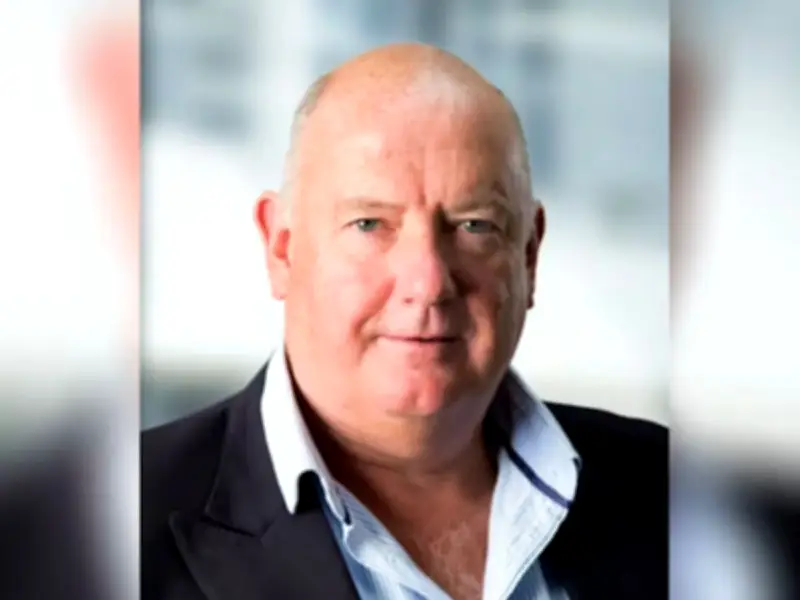
A British man who gave up his place on a rescue helicopter to save others was unlawfully killed in a rocket-propelled grenade (RPG) attack by Al-Shabaab terrorists, an inquest heard today. Philip Mawer, 58, died of multiple injuries when militants attacked a convoy fleeing the Amarula Hotel in Palma, Mozambique, where he had been trapped as insurgents advanced.
Gave up rescue seat
The hotel was at risk of being overrun when Philip gave up his place on a rescue helicopter the previous day, allowing women, children and sick people to be evacuated first. The project manager, from Shaftesbury, Dorset, later refused a seat in an armoured vehicle, instead choosing to travel in his own “soft-skin” vehicle with two passengers.
Addressing Philip’s two brothers at the inquest, Mr Pegg said: “Your brother was a true leader, he put his team and others first before himself and he did so at a time when it’s quite likely, very likely, he would have been in fear. To have been in the Amarula Hotel between March 24 and 26 would have been a highly stressful experience.”
Unlawful killing conclusion
“Philip would have know the atrocities being committed just beyond that compound wall, the killings, the amputations, the beheadings and Philip knew, because he knew Mozambique well and had experience in that type of environment, if the insurgents breached the compound security he would have been captured and killed.”
He added: “Despite the threat to Philip personally, despite the hostile environment in which he found himself, Philip had the character, the gallantry, to put women and children first and I am sure you two brothers and the wider family are proud of Philip and rightly so. It’s also clear to me you miss your brother greatly.”
The inquest concluded that Philip had been unlawfully killed, with his decisions to give up his helicopter place and refuse a seat in the armoured vehicle contributing to his death.
Evacuation difficulties
Mr Pegg added: “This was a dynamic and extremely hostile environment and the encroaching insurgents was one of the key reasons the vehicle move heading north commenced that afternoon.”
The inquest also heard about the difficulties surrounding the evacuation. The Mozambican government had contracted South Africa-based Dyck Advisory Group (DAG) to provide armed helicopters to help fight the insurgency. Although its helicopters rescued 24 people from the hotel on March 24, their operations were controlled by the country's police, meaning DAG could not independently authorise further evacuation missions. Organisations including oil company Total were also under no obligation to supply the group with aviation fuel.
Injuries not survivable
The hotel's manager managed to arrange a helicopter to evacuate himself, his two dogs and another person on the day Philip was killed.
Home Office pathologist Dr Russell Delaney told the inquest that Philip's injuries would have killed him very quickly. He said: “RPGs have various types, shoulder launched military anti tank weapons designed to penetrate many inches of armour. They have an effective range of a few hundred metres.”
“It’s designed to be initiated on impact and a metal jet to pierce armour and penetrate other structures like brick or concrete walls. It will cause severe damage to things in its path.”
“It was found [Mr Mawer] had suffered a traumatic amputation of left upper limb which led to severe bleeding. There was instant catastrophic haemorrhage, spinal cord and brain stem damage which would have caused instant unconscious and death. These injuries were not survivable.”
Philip had worked for RA International and spent 18 months in Mozambique overseeing the construction of camps for workers on a major natural gas project. His career had taken him across several African countries.
Following his death, his family said in a statement: “Philip was an ebullient, outgoing character who had something of the lovable rogue about him.”
His brother William Mawer told the hearing: “Philip was a young brother to Mark and I, he was an absolutely amazing individual and his key characteristics were his incredible generosity, his lust for life, his sense of humour and his ability to get things done in really crazy difficult situations.”