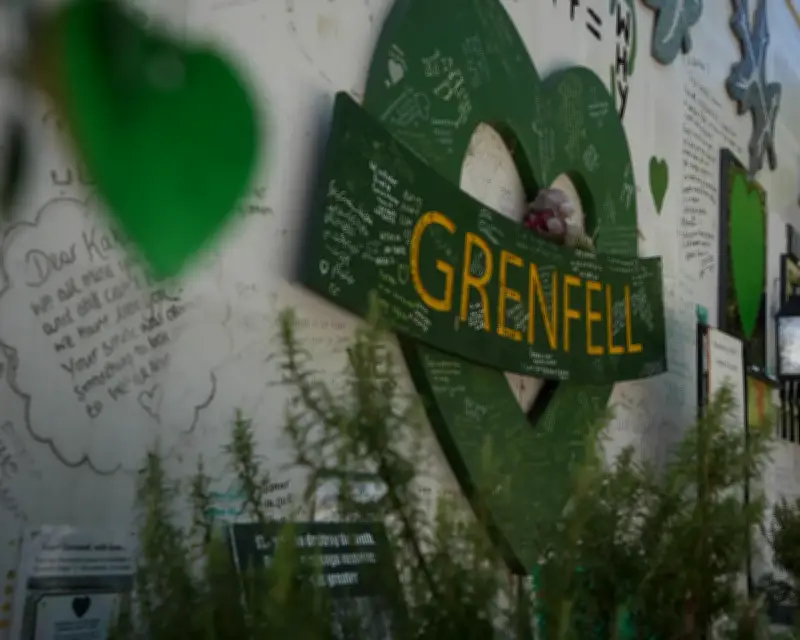
Police have at last asked prosecutors to consider charges relating to the Grenfell Tower fire in 2017. The Crown Prosecution Service (CPS) has promised that a decision about who will face criminal charges will be made before the 10th anniversary next June. The fire killed 72 people, and the suffering of those who survived or were bereaved has been exacerbated by the extraordinary length of time the investigation has taken.
Charges considered against 20 organisations and 54 individuals
The names of the 20 organisations and 54 individuals in the police files will not be released by prosecutors unless they are charged. However, the Ministry of Housing, Communities and Local Government and Kensington and Chelsea council have both announced that they are on the list. Angela Rayner promised on Wednesday that the government would cooperate fully whatever decision is reached regarding a potential breach of the Health and Safety at Work Act 1974. Kensington and Chelsea council revealed that a charge of corporate manslaughter against it is being considered alongside health and safety and fire regulation breaches.
The police’s decision to let the public inquiry run before concluding their own investigation has been criticised. Some of the bereaved and survivors would have preferred criminal justice to take precedence. But the thoroughness of the inquiry at least means that well-evidenced findings of wrongdoing have already been made.
Inquiry findings and the long road to trial
Arconic, Kingspan and Celotex – three suppliers of materials involved in the tower’s refurbishment – were judged to have behaved dishonestly, although this does not mean that the inquiry’s findings were made to a criminal “burden of proof” level. An architecture practice, Studio E, and two building contractors, Rydon and Harley Facades, were each said to bear responsibility for the fire. Arconic was also criticised for its disgraceful refusal to send witnesses to the inquiry.
The Metropolitan police have warned that trials are unlikely to take place before 2028, meaning that an end to this painful process remains years away. Corporate manslaughter cases are widely recognised as being very difficult due to the need to prove gross negligence with management playing a substantial role. The government and the judiciary must do all they can to expedite the next stages.
Beyond trials: legal and procurement changes urged
Beyond any trials, the Hillsborough law will at long last create an obligation on public officials to be truthful. There are other steps that ministers should take, regardless of what happens in court. Survivors are right to object to the public contracts awarded to Rydon and Saint-Gobain (owner of Celotex), given the inquiry’s findings about their conduct. The explanations given so far as to why the Procurement Act 2023 cannot be used to bar them on grounds of poor past performance are not good enough.
The government should also consider changing the law to enable punitive damages to be awarded against companies that harm people. Proposals for a new, independent body to monitor the implementation of recommendations from public inquiries and inquests also deserve serious consideration. The current position, in which multiple independent reviews have been accepted but not implemented, is harmful to those affected by tragedies such as Grenfell. It also undermines public trust in the system’s capacity to put things right.