A legal challenge to the ruling permitting the Orange Order to march on the Garvaghy Road has questioned “whether anything has changed” in the police assessment of the march.
Lawyers representing the residents of the predominantly nationalist road in Portadown, Co Armagh, have requested more information about what information the Parades Commission received from the police in deciding to allow the contentious Drumcree Parade.
Parades Commission ruling
The Parades Commission, which decides on contentious marches in Northern Ireland, ruled on the order’s application for the Drumcree event, allowing them to walk there for the first time in almost 30 years. The commission placed a number of restrictions on the procession, including an 8am start time on Sunday and limiting it to 35 participants.
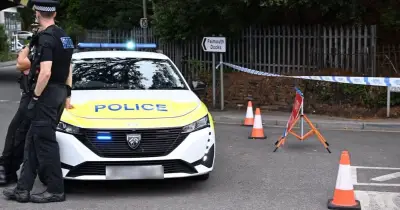
The application from the Portadown District of the Orange Order proposed 60 Orange Order members take part in the procession. The PSNI is expected to put in place a significant security operation for the parade, with officers from outside the region set to assist under mutual aid arrangements.
Judge's preliminary view
On Saturday, High Court judge Justice Patricia Smyth said her mind was “entirely open” but it was her preliminary view that some of the points raised in the residents’ application might meet the threshold for their challenge to be met. She said these were whether or not there had been “meaningful and transparent analysis” of the application by the Parades Commission, as well as a “meaningful balancing of rights” between residents and the Orange Order.
Another issue the judge raised was what information the PSNI may or may not have provided to the Parades Commission. She outlined the residents’ group view that it is “unclear whether anything has changed to explain the decision”. Ms Smyth said the issues being discussed “are of such fundamental importance to our society” it would be “unwise to proceed without these issues being properly assessed”.
Residents' concerns
Barrister Denise Kiely, representing the residents, said “much remains uncertain” after reading the Parades Commission ruling and that they had not had access to the PSNI’s assessment. She said the residents had asked the PSNI a number of questions: essentially what the Parades Commission had asked them and what answers were given.
Peter Coll, representing the PSNI, said they have received the “very broad request” to “go back over 28 years” of documents and the police are working on it “as much as they can” but highlighted the short time frame. Before rising, Ms Smyth said she would like “all of the parties in this case to consider the importance of these matters being dealt with properly and the importance of community relations in dealing with this matter as it stands now”.
Historical context and reactions
The Drumcree parade dominated headlines in the 1990s when violent clashes and political tension necessitated a major security operation for several summers as Garvaghy Road residents rejected the march passing Drumcree church and through the community. A number of people were killed during tensions in the 1990s linked to the dispute.
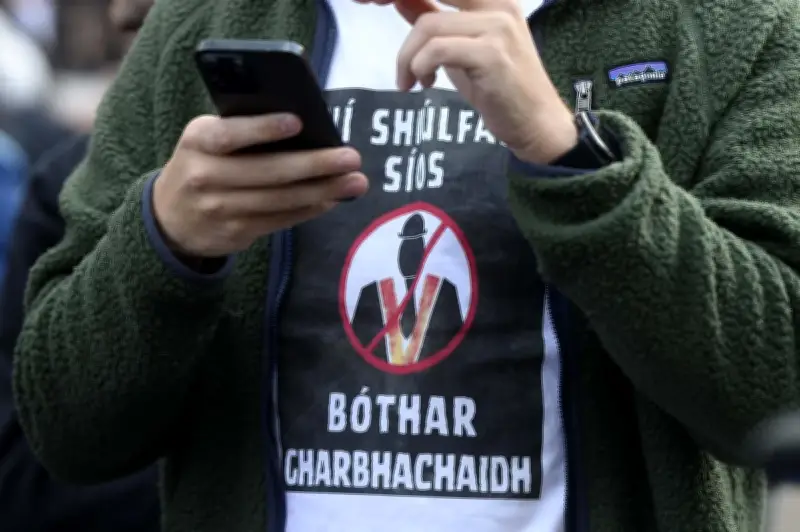
Hundreds of people gathered outside the High Court in Belfast to support residents of the Garvaghy Road as they challenged the ruling on Saturday. Breandán Mac Cionnaith, from the Garvaghy Road Residents’ Coalition, addressed the crowd, saying they were at court to “seek justice for our community in Portadown”.
“All of this depends on the support that we have, not just here, the support that we have in Portadown as you are probably aware, over the last number of days, coming from all of the six counties, and coming from the 26 counties – Ireland’s behind us,” he said. “Ireland’s standing for justice here. And for this to be a so-called ‘small, normal, little’ demonstration by the Orange Order, the Chief Constable is going to have to explain why he decided at the beginning of the week that he needed reinforcements from England.”
Also in court on Saturday were DUP representatives Carla Lockhart, Jonathan Buckley and Diane Dodds, alongside Portadown Orange District LOL 1 legal representative and loyalist activist Jamie Bryson. Alongside Mr Mac Cionnaith were Sinn Féin representatives John O’Dowd and Catherine Nelson, as well as SDLP leader Claire Hanna and MLA Justin McNulty.
The Portadown district released a statement on Saturday morning welcoming the fact the Orange Order group will “complete its 1998 parade home from Drumcree along its traditional route”. “While we are not happy with the further restrictions that have been placed upon us, we will comply fully with the law and the determination,” they said. “We now ask our community to do likewise. We would appeal to everyone to conduct themselves responsibly and peacefully, and not to do anything that could increase tensions within the community. For 28 years, this district has been required to comply with determinations placed upon it. All we ask now is that the same respect for the law and the determination is shown by those who have been affected by this decision. We hope that the 27 September can pass peacefully and that everyone involved will act responsibly and respect the determination.”