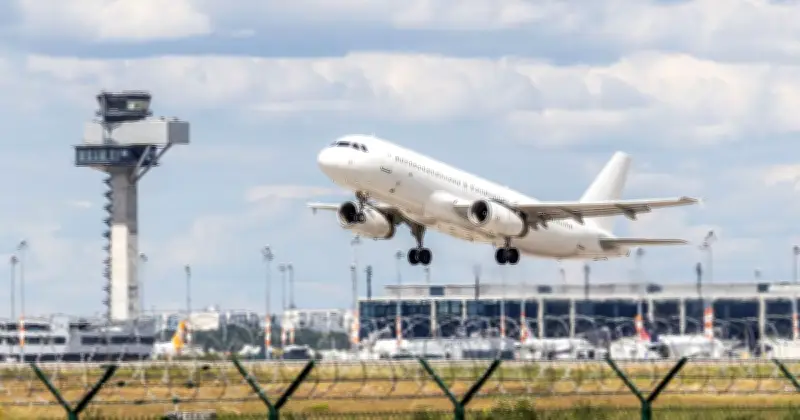
The UK Government is developing new measures that could see passengers who seriously disrupt flights banned from travelling with multiple airlines. The Department for Transport (DfT) is working with airlines and aviation trade unions on a system that would allow carriers to share information about passengers who have been banned for serious disruptive behaviour.
More than 1,000 incidents recorded in 2025
Government figures show more than 1,000 serious disruptive passenger incidents were recorded by airlines during 2025. These can include aggressive and threatening behaviour, violence towards passengers or crew, refusing to follow safety instructions and incidents involving excessive alcohol consumption.
Currently, a passenger banned by one airline may still be able to book and fly with another carrier. The proposed information-sharing system is designed to make it easier for airlines to identify passengers who have previously been banned elsewhere and decide whether they should also be prevented from travelling.
Safeguards and wider reforms
The Government warned that any system would need appropriate safeguards surrounding how passenger information is shared and used. Disruptive behaviour on holiday flights can have serious consequences, ranging from delays and diversions to police meeting an aircraft when it lands.
The move forms part of a wider package of reforms that will also prevent airlines from charging parents to sit with their children and remove fees for correcting straightforward mistakes on bookings. Airlines will be required to ensure children under 14 are seated with a parent or accompanying adult without charging the family extra.
Changes to seating charges and fees
Government figures suggest a parent and child can currently pay up to £104 on a return journey to guarantee they are seated together. However, the change will not necessarily give families free choice of any seats on the aircraft. Airlines will still be able to charge passengers who select particular seats, but they must ensure that a child under 14 is seated with an accompanying adult at no additional charge.
Another measure will prevent airlines from charging passengers to correct simple name mistakes on bookings. Some travellers can currently be charged up to £40 to rectify straightforward errors.
Civil Aviation Bill timeline
The measures form part of the UK’s landmark Civil Aviation Bill and will come into force once the legislation clears Parliament. Ministers hope the beefed-up protections will be fully operational in time to protect holidaymakers heading abroad for the summer 2027 getaway.