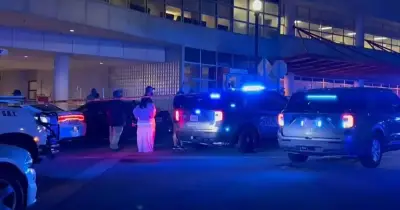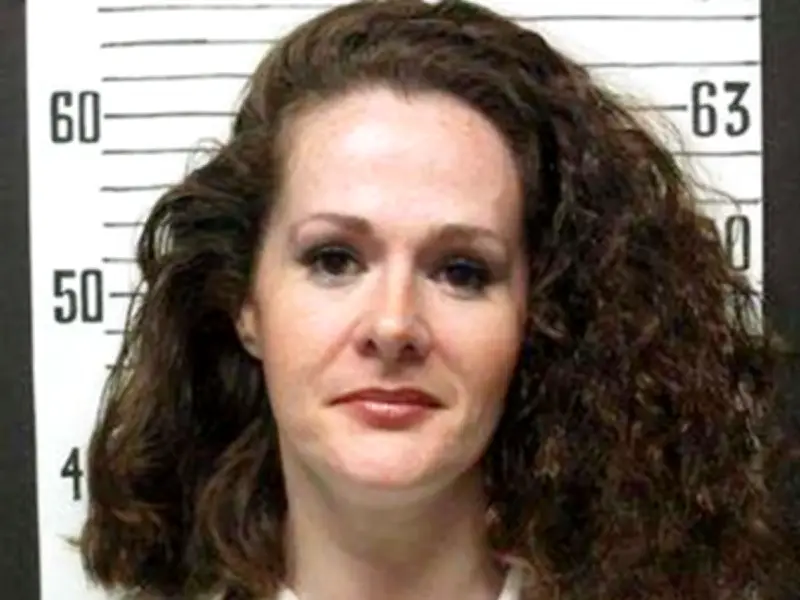
Christa Pike, 50, survived two lethal injections of pentobarbital on Wednesday and was taken to a Nashville hospital, where she remains unconscious and on a ventilator. Her lawyers say her brain has been severely damaged. The failed execution has reignited the debate over the death penalty in Tennessee, a state with a documented history of botched executions.
Pike was sentenced to death in 1996 for the murder of her fellow classmate, Colleen Slemmer. State campaigners say this was the fifth execution in Tennessee to suffer complications since 2009.
A History of Failed Executions
Oklahoma was the first US state to adopt lethal injection in 1977, and by 2009 all death penalty states used it, viewing it as cheaper and more humane than gas chambers or firing squads. The original drug cocktail included sodium thiopental, pancuronium bromide, and potassium chloride, but drug shortages have led to alternative ingredients.
A study by Austin Sarat, a professor of political science at Amherst College, found that more than seven percent of lethal injections in the US are botched, a rate twice that of other execution methods. Prof Sarat said: “I’ve studied every execution in the United States since 1890. Lethal injection has been botched more frequently than any other method of execution.”
Inmates Left Paralyzed and in Agony
In May, Tony Carruthers’ execution was botched after prison staff failed to find a suitable vein. Carruthers, sentenced to death for kidnapping and murdering two men, suffered a stroke and was left paralysed. His lawyer, Maria DeLiberato, said: “If the state of Tennessee is going to execute its own, there has to be full and complete transparency.” She added: “The stories coming out of Tennessee today put me right back in that room with Tony, watching the state put him through a torturous execution attempt last May. Tennessee has been on notice for years about serious problems with its execution protocol. We called for an independent review after Tony’s botch. Our calls were ignored, and now Christa has also paid the price for Tennessee’s failures. Enough is enough.”
Last year, inmate Byron Black, convicted of the 1988 fatal shootings of his girlfriend Angela Clay and her two daughters, suffered a prolonged execution. Black, who had a heart defibrillator, cried: “It’s hurting so bad.” He died approximately 10 minutes after the injection. His defence team had urged authorities to deactivate the device, noting he relied on a wheelchair and suffered from dementia, brain damage, kidney failure, and congestive heart failure.
Past Incidents and Calls for Review
In April 2022, Oscar Smith’s execution was halted for 30 minutes when it was revealed the drugs had not been tested per state protocol. He was executed on May 22, 2025, after the state ruled it would use only pentobarbital. In 2009, Stacy Rector, executive director of Tennesseans for Alternatives to the Death Penalty, watched the execution of Steve Henley, which took 13 minutes and saw blue veins swell from his forehead. She said: “It was horrific; the whole point of lethal injection execution is to present a very sanitised, medical-looking procedure. When it goes wrong, the reality of what you’re doing starts to make itself known.”
Following Henley’s death, Republican legislators called for a hold on executions, writing: “We raise these concerns not in opposition to the death penalty but in defence of it – out of respect for the rule of law, the verdicts of Tennessee juries and the families still awaiting justice.”
Prof Sarat said of Pike’s failed execution: “Botched executions have happened everywhere. They’ve happened in Oklahoma, they’ve happened in Texas, they’ve happened in Arizona, they’ve happened in Ohio. Tennessee now is competing... for the title of the most incompetent executing state.”
Pike’s attorney, Randy Spivey, said he noticed during the execution “her right arm was turning purple.” Tennessee Governor Bill Lee has since halted all executions in the state and ordered an investigation into the unprecedented botched execution.