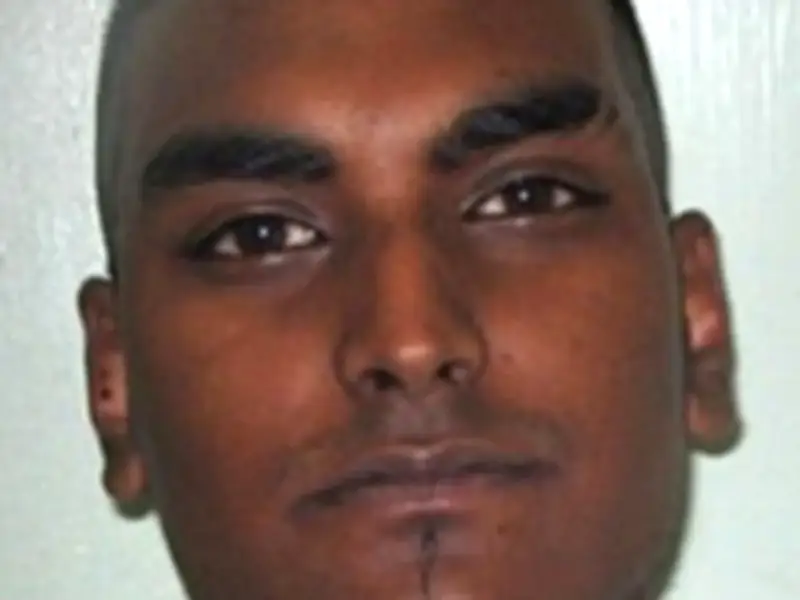
Sunny Islam, 38, who was handed an indefinite sentence in 2010 after dragging victims off the street at knifepoint and subjecting them to sexual assaults, is set to be moved to an open prison.
Crimes in London
Islam committed the crimes in London during a three-month period in 2010. He dragged victims off the street at knifepoint and bundled them into a car before subjecting them to horrific sexual assaults.
He was convicted of seven counts of rape, sexual assault and kidnap. Earlier this week a parole panel ruled he is not safe to be released, but recommended he be moved to an open prison.
Parole decision
With the move, the inmate – who is currently being housed in a high security facility – could be able to leave for approved, education or resettlement activities.
The panel said Islam still had “risk factors” which could make him more likely to reoffend, including a belief he was entitled to sex when he wanted it and a preference for violent or controlling sex.
The Parole Board however insisted Islam had made progress behind bars after completing programmes aimed at tackling sex offending, decision-making and victim empathy. The panel said he had “demonstrated application of relevant skills and learning while in custody”.
Release plan rejected
A probation officer put forward a release plan with "strict limitations" on his movements and activities. However a psychologist and probation officer objected to his immediate release, instead suggesting that he be moved to open conditions.
The panel decided the proposed release plan was "not robust enough to manage Mr Islam in the community at this stage".
It said: "The panel was not satisfied that release at this point would be safe for the protection of the public. However, on considering the criteria for recommending placement in open conditions, the panel recommended that Mr Islam should be progressed in this way."
The decision now needs to be reviewed by the Secretary of State, who will determine whether to accept the recommendation. Islam will be eligible for another parole review in due course. The hearing took place privately after Islam claimed the prospect of it being held in public had caused him severe anxiety. One of his victims had requested a public hearing, but the request was denied.