Kenny Richey, known as "Death Row Scot," spent 21 years on death row in Ohio and faced 13 separate execution dates. At one point, he was minutes from the electric chair before a last-minute reprieve, according to the Daily Record. His conviction was later overturned, and he returned to Scotland to live with his mother.
Background and Conviction
Richey was born in the Netherlands to an American father and a Scottish mother, Eileen. He moved to Edinburgh as a baby and was raised there. After his parents divorced, he moved to the US in 1982 at age 18 to live with his father in Ohio. He served in the United States Marine Corps before moving into government-subsidized housing in Columbus.
On June 30, 1986, a fire broke out in a flat in the Old Farm Village Apartments complex where Richey lived. Hope Collins, 21, lived there with her two-year-old daughter, Cynthia, who perished in the blaze. Prosecutors argued that Richey started the fire, targeting his ex-girlfriend, Candy Barchet, who lived in the same complex. Three witnesses allegedly heard him say Barchet's building "was going to burn" that night.
Trial and Reprieve
Richey was convicted in January 1987 of aggravated murder by arson. During the trial, he twice rejected plea bargains that would have avoided the death penalty. The court was told he had a history of mental health problems, including personality disorders. In 1993, he was one hour from execution via the electric chair when a last-minute reprieve halted proceedings.
Doubts then emerged about the evidence, particularly forensics. A campaign backed by Amnesty International was launched to prove his innocence. Two witnesses who had testified that Richey threatened to set fire to his ex-girlfriend's apartment retracted their statements. His legal team highlighted that he had a broken right hand in a plaster cast on the night in question, making it impossible to carry the two cans of petrol used to start the fire. There were also no eyewitnesses placing him at the scene.
Release and Return to Scotland
In December 2007, Richey accepted a plea bargain, leading to his release and return to Scotland on January 9, 2008. The plea involved a 'no contest' to manslaughter, child endangering, and breaking and entering. He was sentenced to time served, with murder and arson charges dropped. Richey had been granted British citizenship in 2003, becoming the first to benefit from a change in British nationality law.
Back in Edinburgh, he became a regular at the Dickens Bar on Dalry Road and made a short film with Trainspotting author Irvine Welsh, which premiered at the Edinburgh International Film Festival. The following year, he was cleared at the High Court in Paisley of a masked attack on a 64-year-old man, due to lack of evidence.
Further Legal Troubles
After two years in Scotland, Richey returned to Ohio to escape notoriety. In 2010, he was sentenced to three years in prison for leaving threatening phone messages for Randall Basinger, the former prosecutor in his original trial, who was now a judge. He was released after two years and worked with the American charity Sanctuary Quarters, which builds houses for homeless veterans.
In 2016, Richey was arrested in Mississippi for being drunk and revealed that his marriage had broken up and health problems had left him homeless and penniless. He said: "Everything's gone downhill - everything's gone from bad to worse. For the past week I've been sleeping on the steps of a church." He expressed a desire to return to Scotland, saying: "I'm dying. I want to die in Scotland."
In 2020, Richey was sentenced to 12 years in prison for making further threats against the life of Randall Basinger, his children, and his grandchildren on social media. An appeal the following year was refused. He claimed he had been betrayed by his ex-wife and a cousin who had access to his social media page.
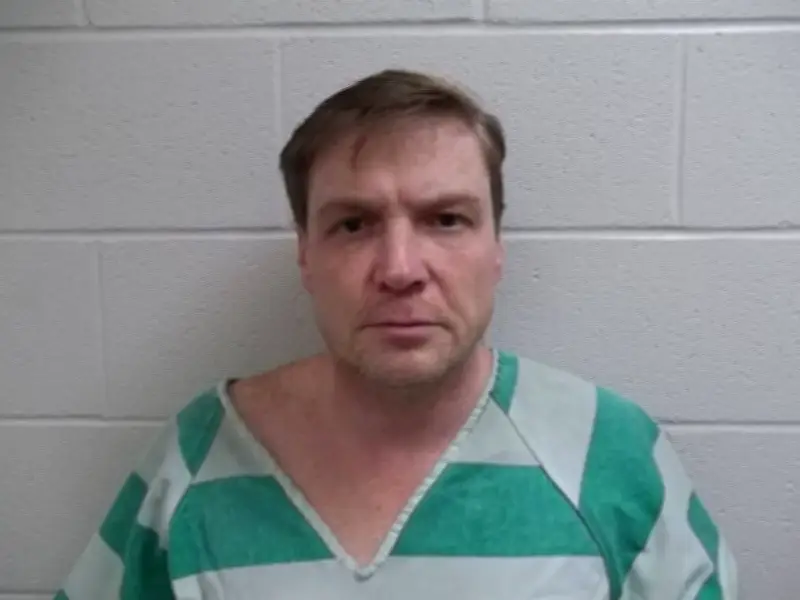
Little is known of Richey's current whereabouts, though he was reported to be serving his sentence at the Richland Correctional Institution in Mansfield, Ohio. In 1986, his younger brother Tom shot two people in Washington State, resulting in a death, and was sentenced to 65 years in prison. He later wrote a book about his brother titled Death Row Scot.