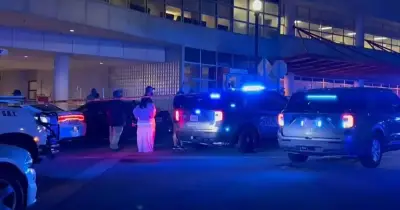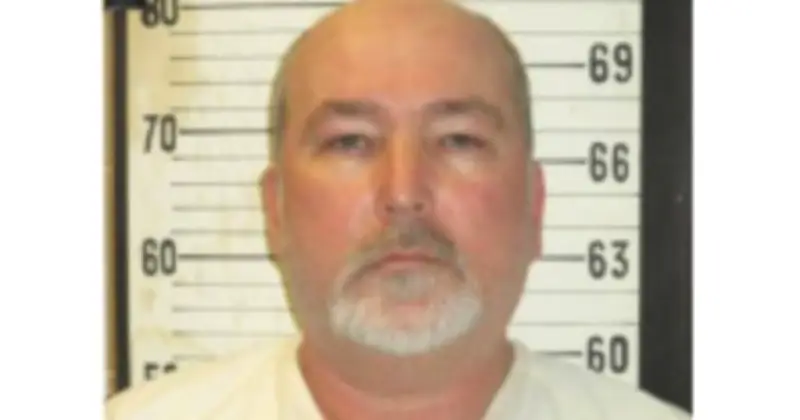
Gary Wayne Sutton, scheduled for execution in Tennessee in December, has been temporarily spared after the botched lethal injection of death row killer Christa Pike, reports suggest. Pike, 50, survived two doses of a lethal drug on Wednesday after being scheduled for execution for a 1995 murder she committed at age 18. Instead of becoming the first woman put to death in Tennessee in more than 200 years, Pike has remained unconscious on a ventilator in hospital for four days.
Governor halts remaining execution
Tennessee Governor Bill Lee halted the one remaining execution for the rest of the year as a result and ordered a "comprehensive third-party review to determine exactly what occurred." Sutton, 61, who has spent over three decades on death row for the 1992 murders of siblings Tommy Griffin, 24, and Connie Branam, 34, was scheduled to be put to death in December.
Sutton and his uncle James Dellinger were both handed death sentences after Mr Griffin was found shot in the head near Little River and Ms Branam discovered five days later inside her burned-out car, as per The Sun. Dellinger died of natural causes aged 71 on death row in 2023.
Calls for pardon and legal challenges
Sutton has always pleaded his innocence and his legal team and supporters have increased calls for him to be pardoned ahead of the planned execution. The 61-year-old's attorney has said the case is "riddled with errors" and that "prosecutors never established a motive" for Sutton's involvement in the crime or "physical evidence" connecting him to it. A court decision is also pending after the legal team filed a motion to have him evaluated for intellectual disability, which would make him exempt from execution.
The failure to put Pike to death was the second time this year that Tennessee was unable to complete an execution, with officials not administering the drugs because they couldn't find a suitable vein for an IV in the other case. But Robin M Maher, executive director of the Death Penalty Information Centre, said what Pike experienced is "singular and unparalleled" in that she survived long enough to be moved to a hospital.
National context
She said seven others have survived medical problems because of an execution team's failure to access a vein to administer lethal injection drugs, but no one has stayed alive after receiving the drugs. Executions in the US have fallen sharply since the beginning of the century, but the number nearly doubled last year due to a record increase in Florida. Pike would have been the 30th person executed in America in 2026.