The Work and Pensions Committee has raised serious concerns about the state pension age increase to 67, warning that many people are unaware of the change and may face poverty.
Concerns over health and employment
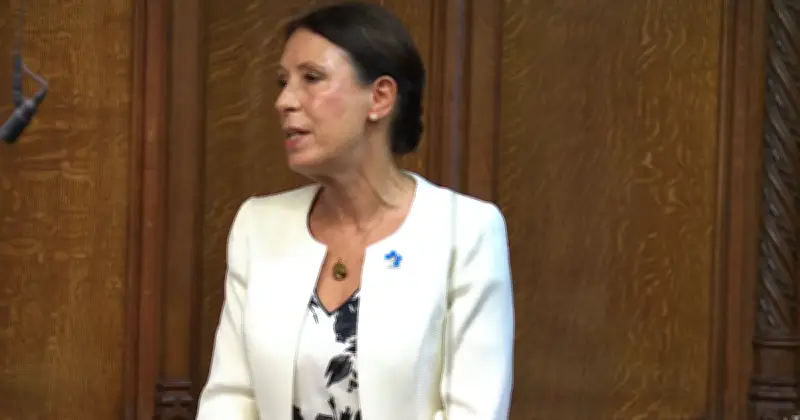
Committee Chair Debbie Abrahams said the increase, which began in April 2026, could have an even greater effect than the rise to 66 in 2020. She noted that healthy life expectancy has fallen by two years since 2012, to 60.7 years for men and 60.9 years for women. In former industrial areas, it is as low as 56 and 58 years.
Abrahams highlighted that in 2025, only 42% of 65-year-olds were still working, and fewer than one in three 66-year-olds. She said the previous increase from 65 to 66 doubled absolute poverty among 65-year-olds, and the rise to 67 may be worse.

Poverty and frailty risks
The committee heard that work-limiting health conditions among 60- to 64-year-olds rose from 28% in 2014 to 31% in 2024. Almost half of people aged 60 to 66 in the lowest income quintile are already classified as frail.
Abrahams called for an uplift in universal credit in the year before state pension age, costing around £600 million a year, noting the government saves about £10.5 billion annually once the age reaches 67. She also dismissed rumours of a further acceleration as 'fear-mongering' and 'untrue'.