Police have clarified whether householders can report children who go door-knocking on Halloween, stating that officers will only step in if the behaviour amounts to harassment or is considered anti-social.
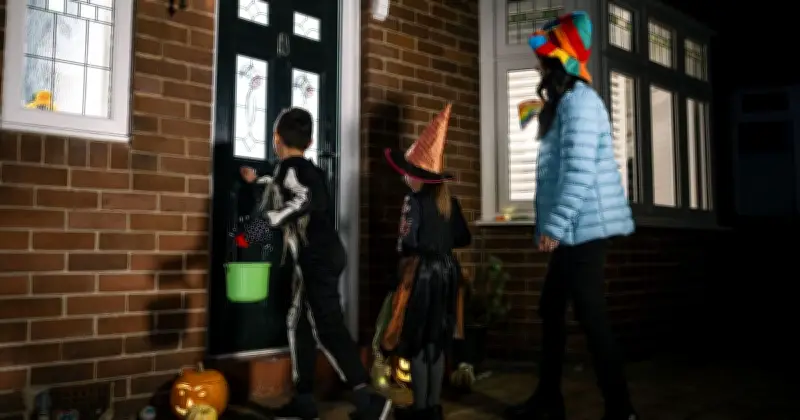
On Ask The Police, a website administered by police forces around the UK, a question was posed: "Children are trick or treating in the street, can the police do anything about it?"
The experts replied: "Trick or treating is a fun pastime that children have been doing for many years and is something that only happens once a year. Unless their behaviour amounts to harassment or is considered anti-social, then the police will not get involved."
What is anti-social behaviour?
According to the Metropolitan Police, it is "defined as 'behaviour by a person which causes, or is likely to cause, harassment, alarm or distress to persons not of the same household as the person' (Antisocial Behaviour, Crime and Policing Act 2014)."
There are three main categories for antisocial behaviour, depending on how many people are affected:
- Environmental antisocial behaviour is when a person's actions affect the wider environment, such as public spaces or buildings.
- Nuisance antisocial behaviour is when a person causes trouble, annoyance or suffering to a community.
- Personal antisocial behaviour is when a person targets a specific individual or group.
'It's not completely safe'
A worried parent also asked: "My child wants to go out trick or treating, do you have any advice?" The police offered their advice, urging people to never let kids trick-or-treat alone.
It explained: "Trick or treating is a fun pastime, however it is not completely safe to allow your child out alone at night. A good idea would be to take the children out in a group in the early evening, accompanied by an adult. This ensures that your child can still go trick or treating but also ensures their safety and your peace of mind."
October 31 tradition
Halloween has its roots in Samhain, an ancient Celtic festival celebrated around 2,000 years ago. The Celts believed Samhain (pronounced "sow-ain") signalled a time when the boundary between the living world and the spirit world grew thinner, allowing the dead to return more easily.
To mark it, communities lit bonfires, wore costumes and took part in rituals. As the Romans spread across Europe and, later, Christianity reached Celtic regions, many of these traditions were absorbed, adapted and merged with newer religious observances.
In time, All Saints' Day became the main Christian festival, with the evening before known as All Hallows' Eve - a name that eventually shortened to Halloween. If you're heading out, take extra care: stay in groups, don't let children trick-or-treat alone, and choose well-lit routes.