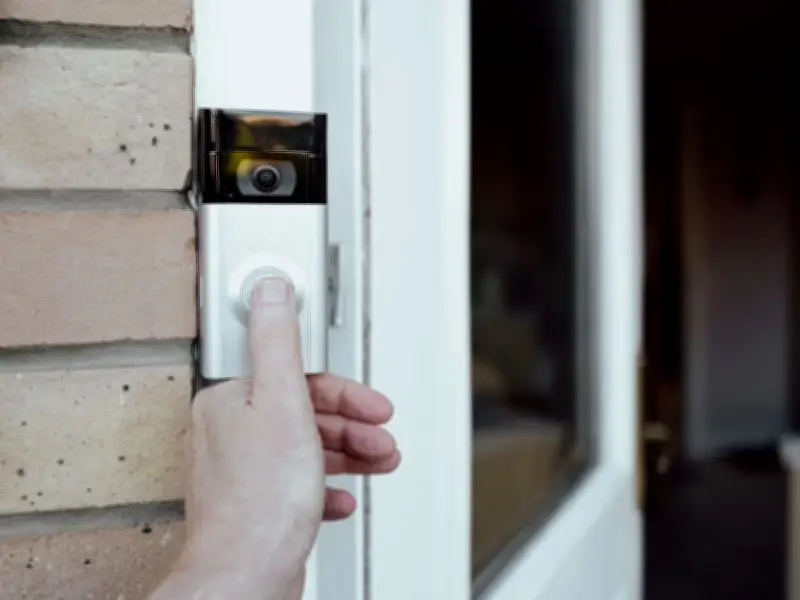
Home CCTV and video doorbells are designed to help people feel safer, particularly when they are concerned about burglary or unwanted visitors. But when a device appears to be pointing at next door’s garden, driveway or windows, it can raise questions about privacy and what the person being filmed can do.
When data protection law applies
The rules depend partly on what the camera actually captures, rather than simply which direction it faces. The Information Commissioner’s Office (ICO) says data protection law applies when domestic CCTV records beyond the owner’s property boundary, including images from a neighbour’s home or garden, a public area or a shared space.
Even then, the camera is not automatically unlawful, and neighbours do not generally need to give their consent to being recorded. Someone using CCTV to protect their property may have a legitimate reason for doing so, but the owner must be able to justify the intrusion into other people’s privacy.
First steps to resolve a concern
If you are concerned, the ICO recommends contacting the camera owner first, either in person or in writing. Explain what worries you and ask whether they can show you what is being recorded, adjust the angle or use privacy filters to block out areas that do not need to be filmed.
You can also raise a formal objection if the camera is capturing your personal information. The owner must consider your reasons, and if they cannot justify continuing to collect that information, they may need to stop recording it or reposition the device.
Owner responsibilities and your rights
There are other responsibilities for people whose cameras capture beyond their property boundary, too. These include limiting the footage to what is necessary, keeping recordings secure, making people aware that recording is taking place and deleting footage regularly rather than keeping it indefinitely.
If you appear in footage, you may also be able to request a copy from the person operating the camera. The ICO says people should usually receive a response to such a request within one calendar month.
When to escalate the matter
Meanwhile, if a discussion does not help, you can consult the ICO’s guidance and consider submitting a complaint, although the regulator warns that its powers to intervene in domestic CCTV disputes are limited. If you feel the camera is being used as part of wider harassment or intimidation, the ICO suggests considering contacting the police, a housing officer or the landlord if the neighbour rents their home.
Ultimately, the important question is whether the camera is being used proportionately and responsibly. A calm conversation and a clear understanding of what is being captured may resolve the concern without a dispute escalating further.