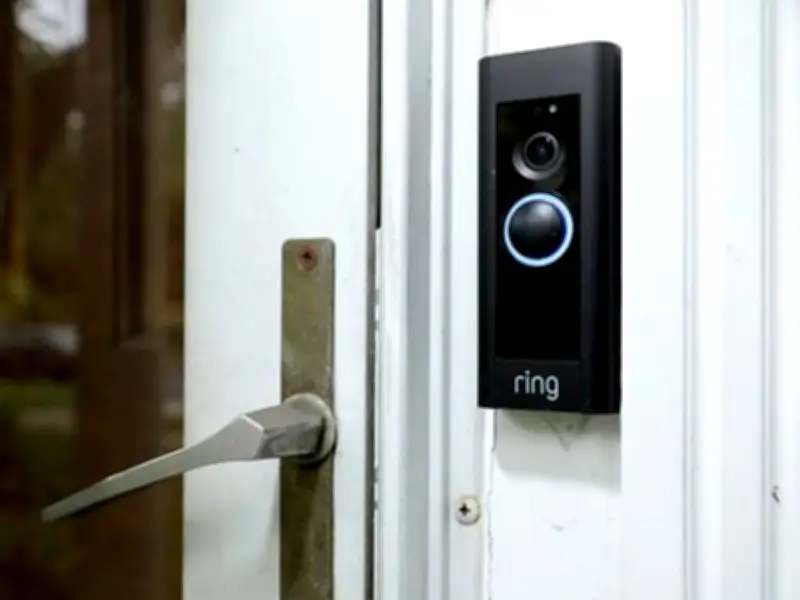
Home security cameras and smart doorbells are becoming increasingly common across Scotland and the rest of the UK, but they can also create tension between neighbours. If a camera appears to be aimed at your windows or outdoor space, it is worth knowing where the law stands before deciding what to do.
What the data protection watchdog says
The Information Commissioner's Office (ICO) says people using domestic CCTV should, where possible, position cameras so they only capture their own property. If a camera records beyond that boundary, such as a neighbour's garden, a shared space or a public area, data protection law may apply.
That does not automatically mean the camera is illegal or that the owner must remove it. The ICO says people can have a legitimate reason to use CCTV, including protecting their home, but they must consider whether the recording is necessary and whether it intrudes too far into other people's privacy.
Steps you can take if you are concerned
There are steps you can take if you are worried about what a neighbour's camera is capturing. The ICO recommends starting by speaking or writing to the owner, explaining your concerns and asking why the camera is positioned that way.
You can also ask to see what the camera records, as the footage may be less intrusive than it appears from the ground. If the camera captures your personal information, you may be able to request a copy of footage showing you, or object to the way your information is being used.
People operating cameras that capture beyond their property boundary must also handle recordings responsibly, including keeping footage secure and deleting it regularly or automatically. They should avoid capturing more than they need and make people aware that recording is taking place.
What to do if talking does not resolve the issue
If talking to your neighbour does not resolve the issue, you can read the ICO's guidance and consider making a complaint. However, the regulator says its ability to take action against domestic CCTV users is limited, and it is unlikely to force someone to remove or reposition a camera.
If you believe the CCTV is part of a wider pattern of intimidation or harassment, the ICO advises considering contacting the police, a housing officer or the neighbour's landlord, where relevant. The key is to establish what is actually being recorded and raise specific concerns rather than assume that a camera facing your property automatically breaks the law.